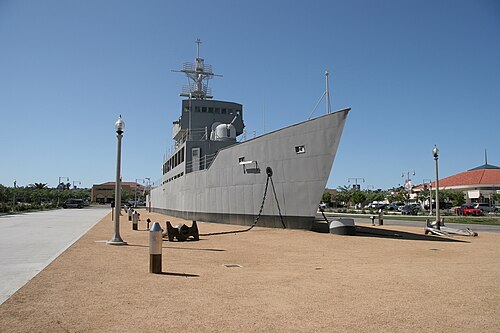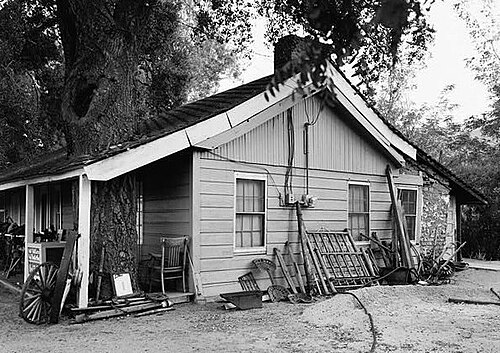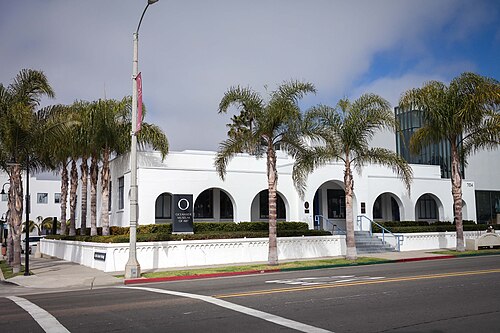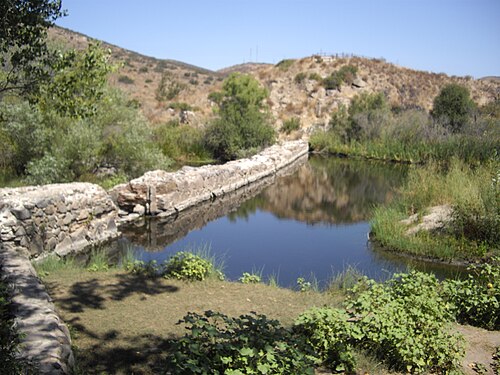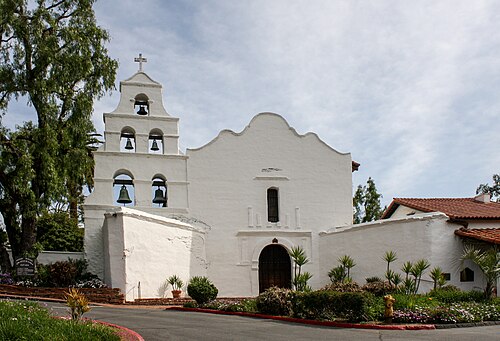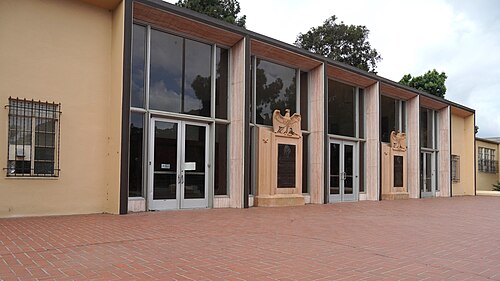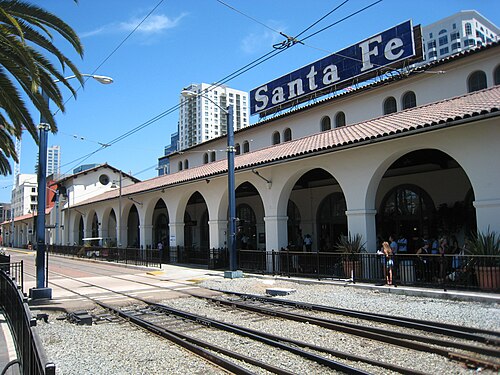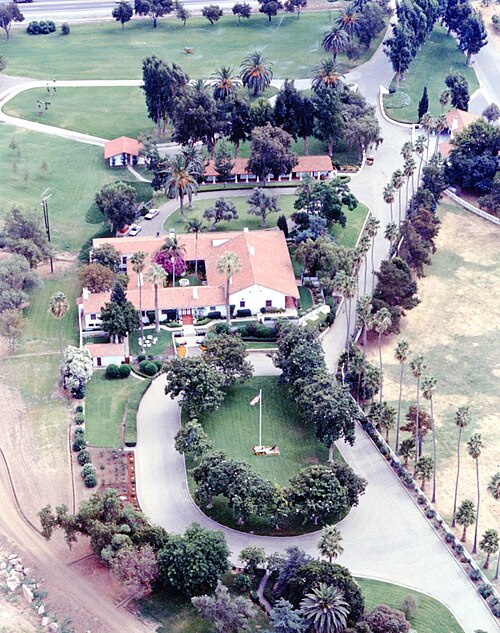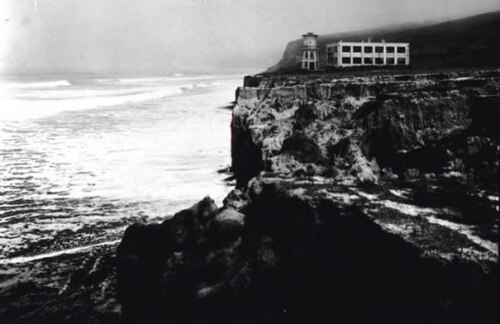
San Diego County California (Page 3) has 50 places on the National Register of Historic Places including 11 places of National significance and 8 places of Statewide significance. Significant places include Naval Air Station, San Diego, Historic District, Naval Training Station, Oak Grove Butterfield Stage Station, Old Mission Dam and Rancho Guajome Adobe.
Several famous people are associated with these San Diego County historic places including Robert Ely, Leo Carrillo, Major Miles Moylan and Alfred D. Robinson.
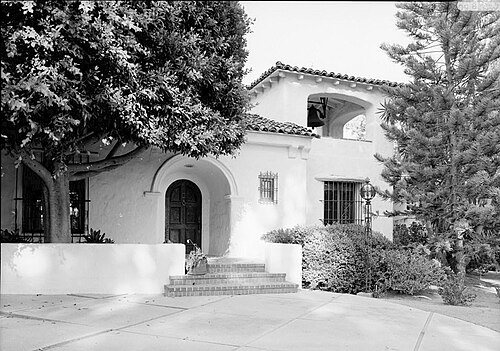
Some of the country's most noteable architects helped create the San Diego County places including Navy Bureau of Yards and Docks, Naval Public Works Center, Bertram Grosvenor Goodhue, Fr. Jose Bernardo Sanchez, Lilian Jenette Rice, Cruz Mendoza, Leo Carrillo, Lester Cramer, Norman Foote Marsh and Albert Kahn. Prominent architectural styles found in San Diego Country are Mission/Spanish Revival, Colonial and Moderne.
Historic Significance:
Event, Architecture/Engineering
Architect, builder, or engineer:
Naval Public Works Center
Architectural Style:
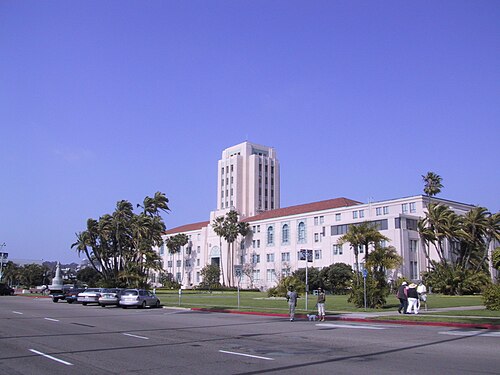
Mission/Spanish Revival
Area of Significance:
Architecture, Military
Period of Significance:
1925-1949, 1900-1924
Historic Function:
Defense
Historic Sub-function:
Military Facility
Current Function:
Defense
Current Sub-function:
Military Facility
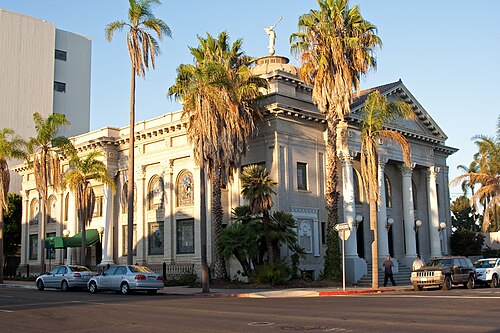
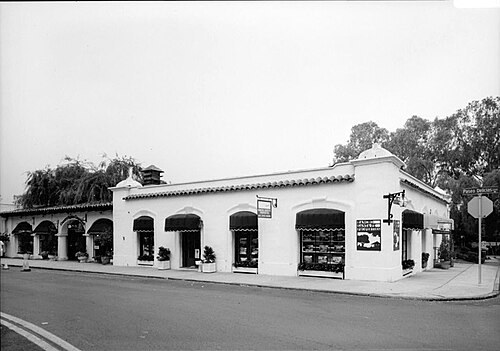
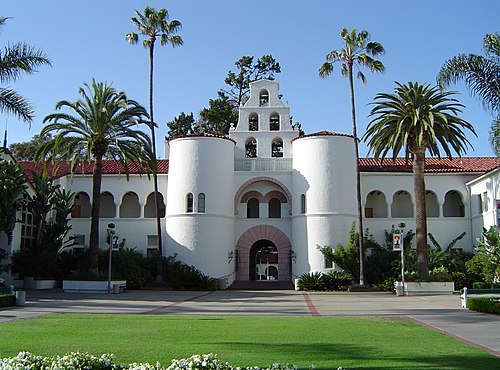
San Diego didn't just stumble into its identity as a Navy town. It was engineered. In 1923, the Navy opened the Naval Training Station on 235 acres of reclaimed mudflats in Point Loma. Architect Frank W. Stevenson wrapped the base in Spanish Colonial Revival stucco and red tile roofs. He wanted it to look like a historic mission, not a boot camp. It worked. The site looked idyllic, but the daily routine was brutal. Recruits endured grueling physical conditioning, marching on the massive parade grounds under the blistering southern California sun. By World War II, this picturesque campus turned into a massive human conveyor belt. Over 25,000 recruits lived there at any given time, sleeping in tents when barracks ran out.
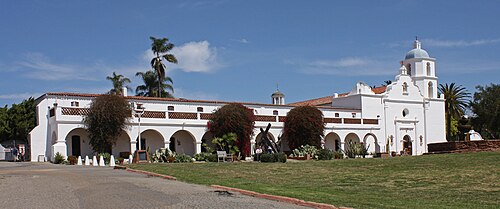
Actually, the place trained over two million sailors before the gates closed in 1997. Two million. The station didn't just pump out personnel. It drove San Diego's entire economy for three-quarters of a century, forcing the city to build houses, roads, and bars just to keep up with the demand. Then the military pulled out. Today, locals call it Liberty Station. People sip IPAs and buy overpriced cheese in the same halls where teenagers once learned to patch bullet holes. But the Spanish arcades still feel haunted by those young bluejackets. A massive legacy disguised as a trendy public plaza.