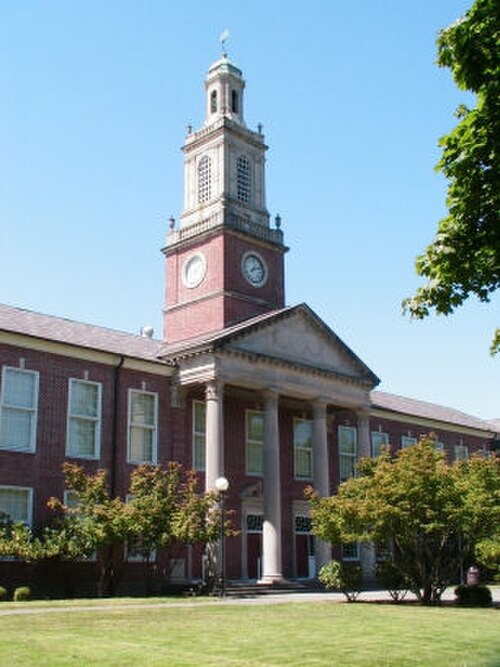
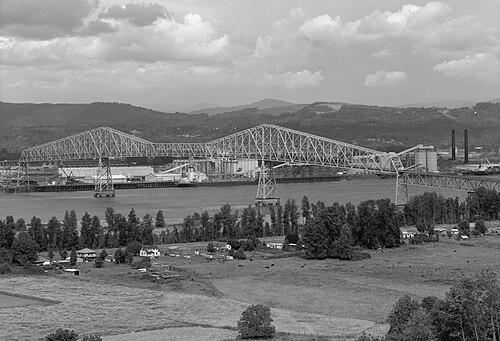
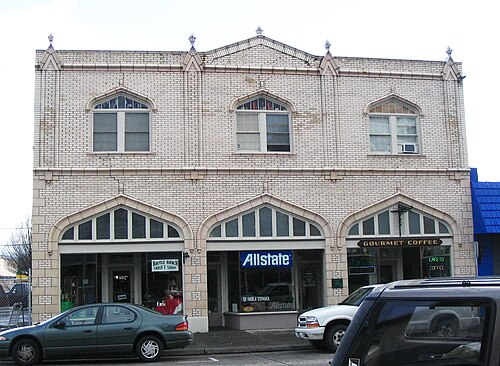
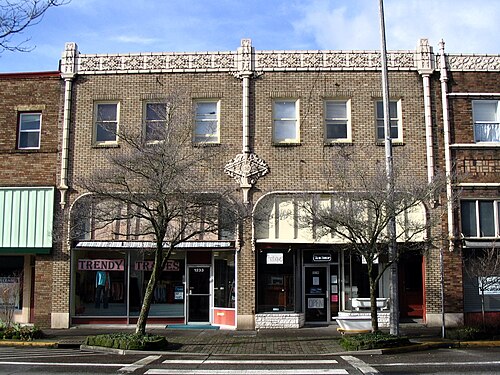
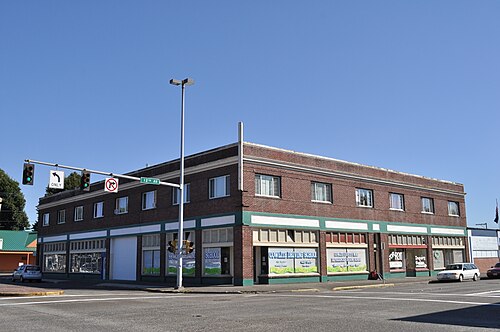
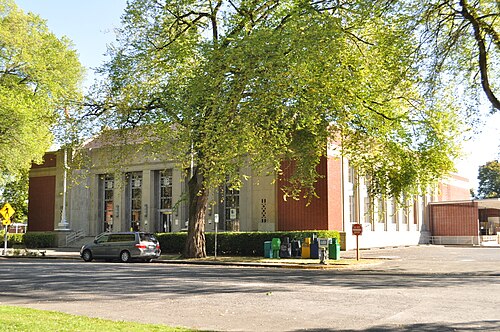
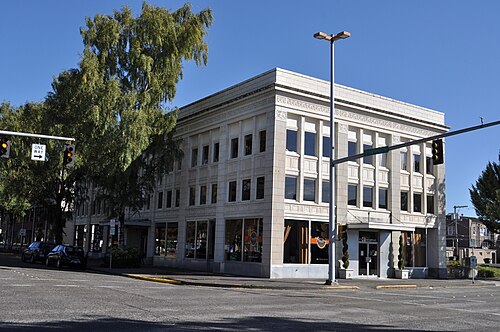
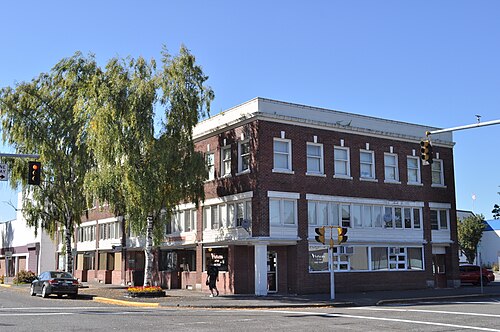
Cowlitz County Washington has 32 places on the National Register of Historic Places including 1 place of National significance and 5 places of Statewide significance. Significant places include Klager, Hulda, Lilac Gardens, Lake Sacajawea Park, Longview Bridge, Longview Civic Center Historic District and Modrow Bridge.
Many famous people are associated with these Cowlitz County historic places including Hulda Klager, Nat Smith, W.H. Pounder, J. D. Tennant and Adam Catlin.
Some of the country's most noteable architects helped create the Cowlitz County places including Isaacson Iron Works, S. Herbert Hare, Strauss Engineering Corp., Pomeroy,J.H., & Co., Harry R. Powell, H.L. Copeland, George MacPherson, Bebb & Gould, State of Washington Highway Dep't. and Fred Clearman. Prominent architectural styles found in Cowlitz Country are Classical Revival, Art Deco and Colonial Revival.
Historic Significance:
Person
Historic Person:
Klager,Hulda
Area of Significance:
Science
Period of Significance:
1950-1974, 1925-1949, 1900-1924
Historic Function:
Agriculture/Subsistence, Domestic, Landscape
Historic Sub-function:
Animal Facility, Forest, Single Dwelling
Current Function:
Agriculture/Subsistence, Domestic
Current Sub-function:
Animal Facility, Single Dwelling
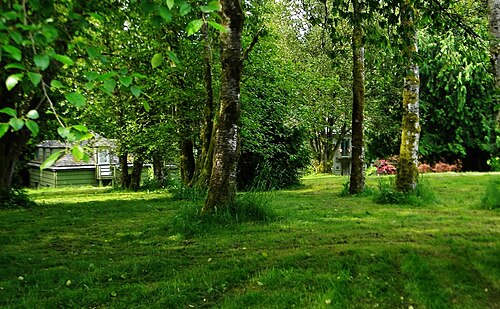
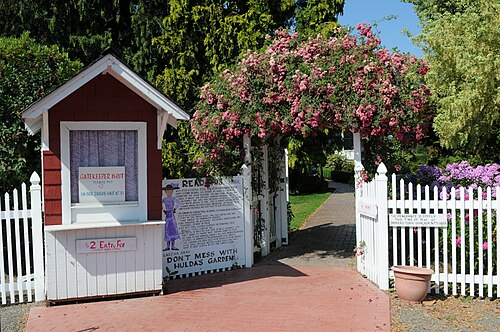
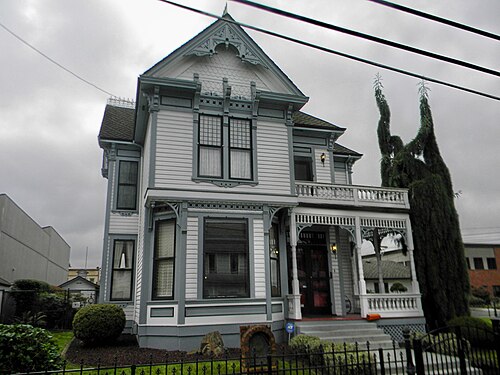
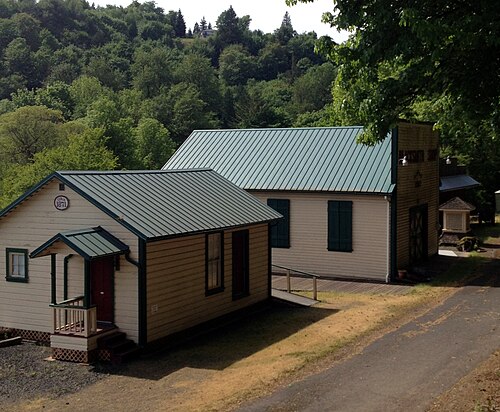
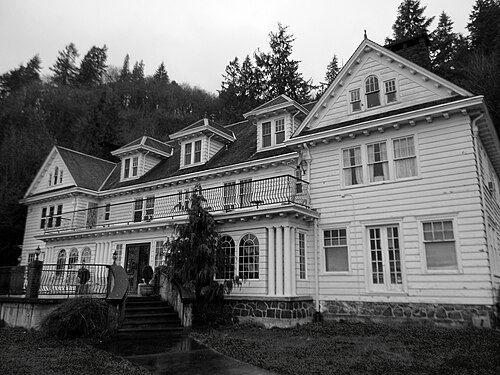
The Hulda Klager Lilac Gardens, located in Woodland, Washington, are of outstanding historical significance under National Register Criterion B for their direct association with Hulda Klager (1863?1960), a pioneering horticulturalist internationally renowned as the "Lilac Lady." After immigrating from Germany and settling on this Cowlitz County farmstead, Klager began experimenting with lilac hybridization in 1905, seeking to create larger, more fragrant, and more vibrantly colored blooms. Her efforts resulted in the development of over 250 new varieties of lilacs, transforming her private estate into a botanical marvel and a hub for Pacific Northwest horticulture. The nominated property features her beautifully preserved 1889 Victorian home, which serves as a testament to late 19th-century rural life, alongside the surrounding manicured gardens that display her living, blooming legacy.
Beyond Klager's individual achievements, the site represents a story of community resilience and enduring botanical heritage. Following a devastating Columbia River flood in 1948 that destroyed nearly all of her original plantings, the 83-year-old Klager painstakingly rebuilt her collection from cuttings provided by neighbors and admirers who had previously purchased her hybridized varieties. Today, the Hulda Klager Lilac Gardens stand as a rare, intact example of an early 20th-century private experimental garden that has transitioned into a public educational site. Listed on the National Register in 1975, the property remains a vital monument to Klager's pioneering contributions to American floriculture and a highly cherished cultural landscape.