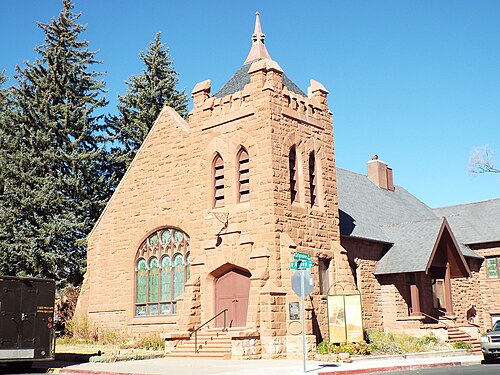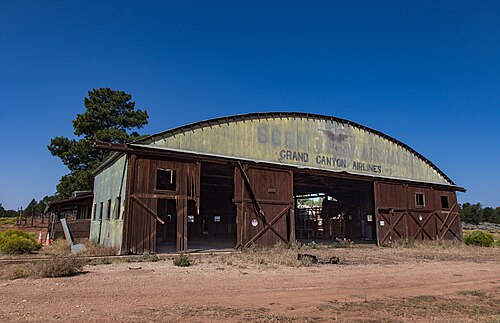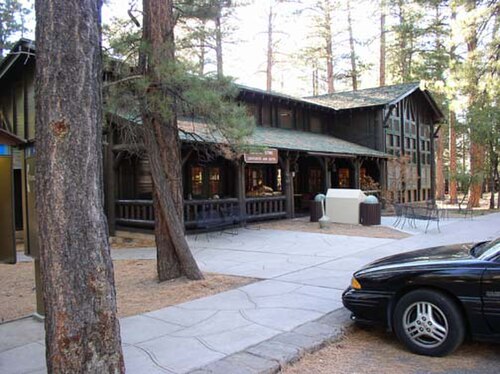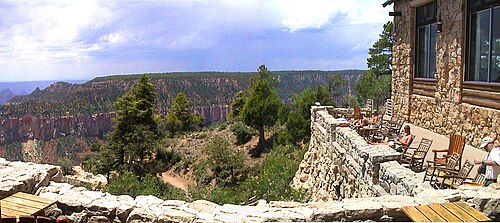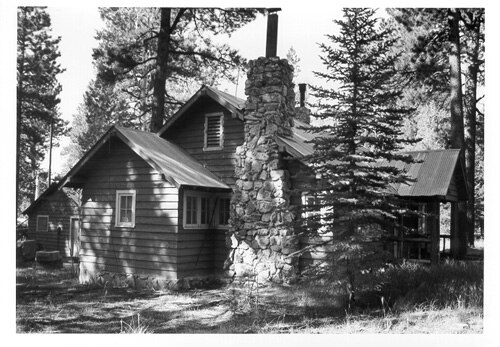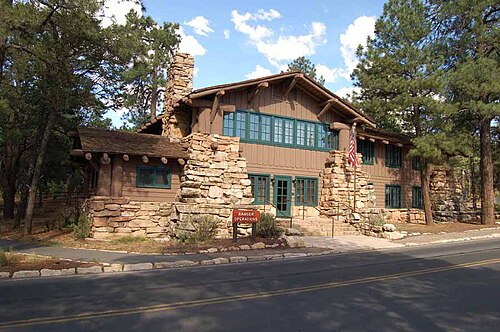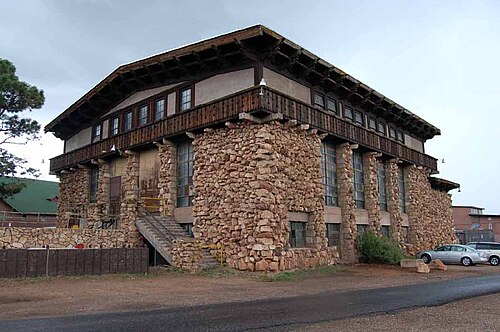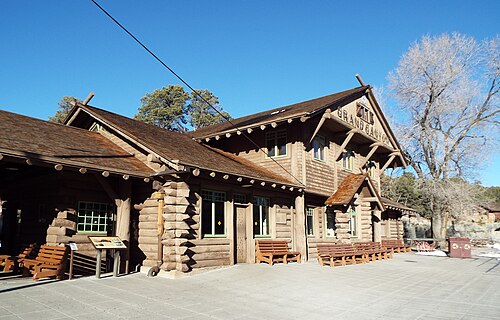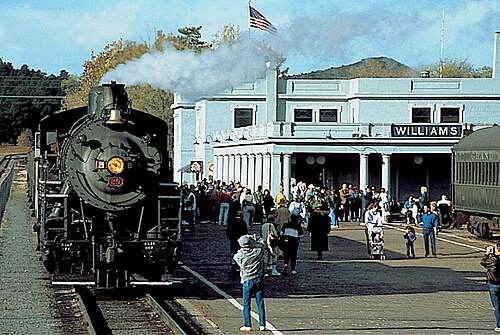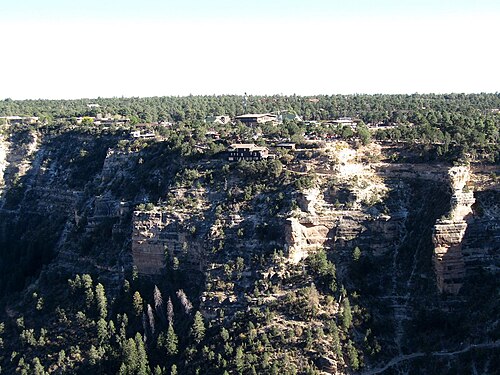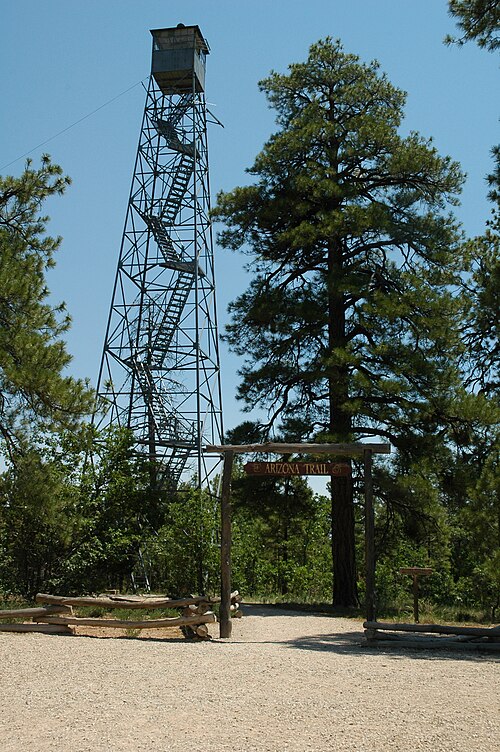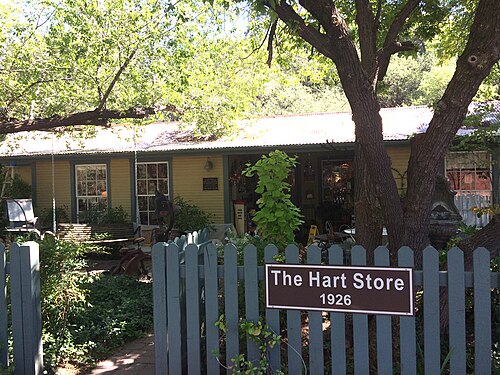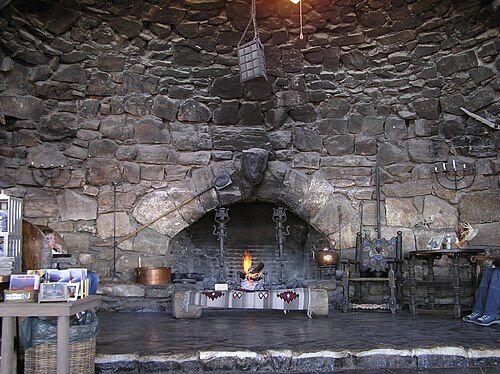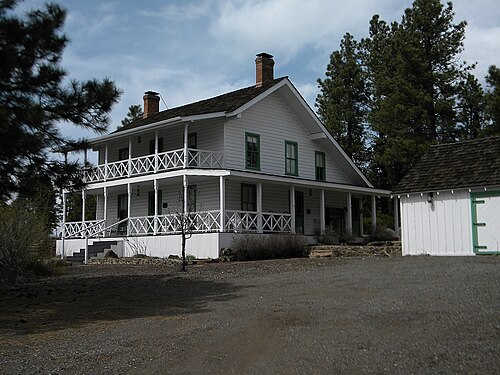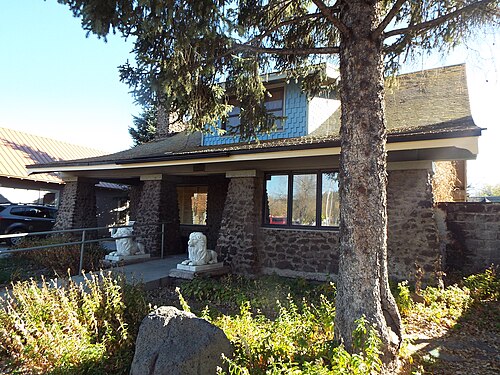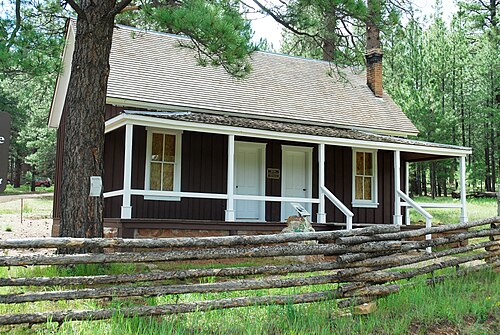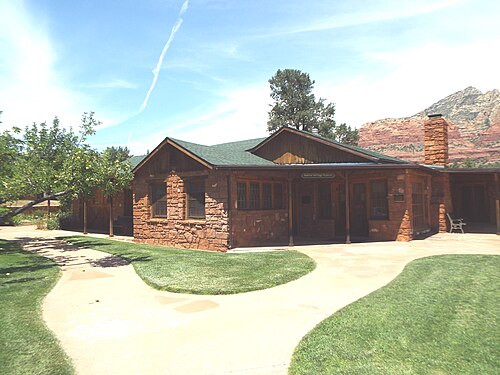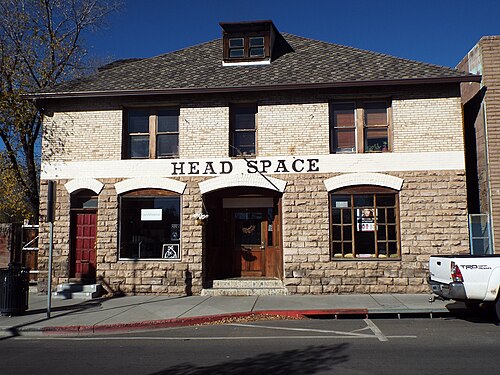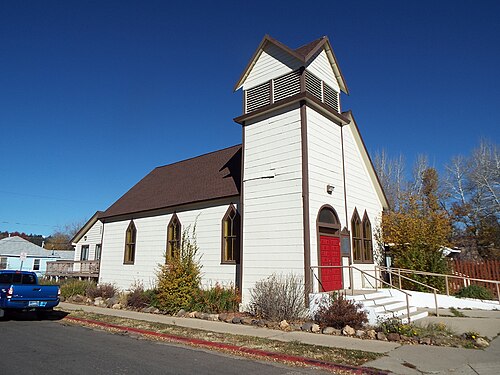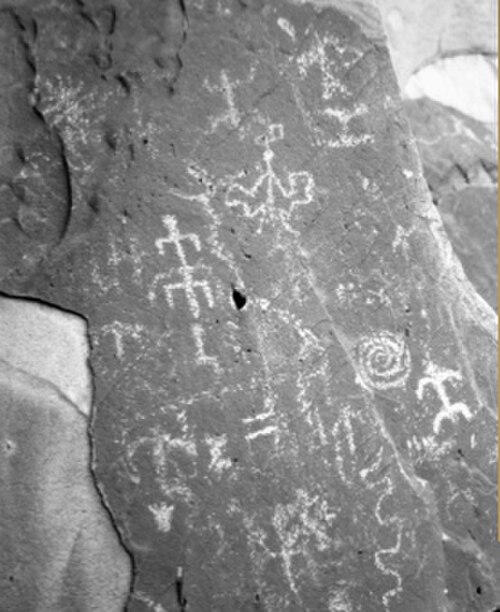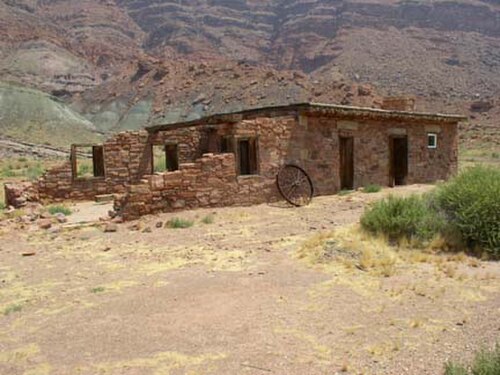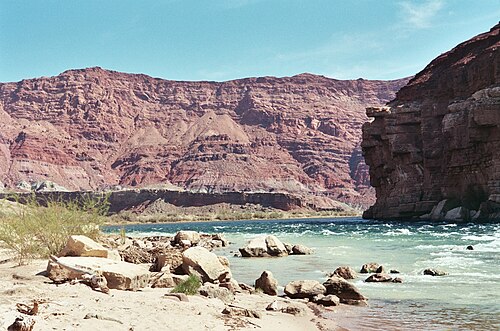
Coconino County Arizona (Page 2) has 50 places on the National Register of Historic Places including 17 places of National significance and 6 places of Statewide significance. Significant places include Grand Canyon Lodge, Grand Canyon Park Operations Building, Grand Canyon Power House, Grand Canyon Railroad Station and Grand Canyon Railway.
Prehistoric cultural affiliation(s) include Anasazi, Archaic and Formative Period dating back to 999 BC.
Many famous people are associated with these Coconino County historic places including Percival Lowell, C. Hart Merriam, John D. Lee, D. M. Francis, John Yost and Walter Everett Jordan.
Some of the country's most noteable architects helped create the Coconino County places including Topeka & Santa Fe RR Atchison, Santa Fe & Grand Canyon RR, NPS Landscape Division, Mary Jane Colter, Gilbert S. Underwood, Topeka & Santa Fe Railway Atchison, Thomas F. McMillan, Francis Wilson, Percival Lowell and Jesse Jefferson Howard. Prominent architectural styles found in Coconino Country are Bungalow/Craftsman, Colonial Revival and Queen Anne.
Historic Significance:
Event
Area of Significance:
Engineering, Transportation
Period of Significance:
1925-1949, 1900-1924, 1875-1899
Historic Function:
Transportation
Historic Sub-function:
Rail-Related
Current Function:
Transportation
Current Sub-function:
Rail-Related
Getting to the South Rim used to be a bone-rattling nightmare. Passengers endured an eight-hour stagecoach ordeal from Flagstaff. Brutal. Then, in September 1901, the Atchison, Topeka and Santa Fe completed a 64-mile steel ribbon from Williams. This changed everything. Steam locomotives did not just bring wealthy Victorian tourists to the rim they kept them alive by hauling millions of gallons of fresh water in massive tank cars across the dry plateau. Without those daily water deliveries, the massive El Tovar Hotel, built in 1905, could never have operated.
But then cars took over. The postwar boom of the 1950s made the family road trip king, which quickly choked the life out of passenger rail. The line died in 1968. For twenty-one years, the tracks just rusted. A couple named Max and Thelma Biegert bought the whole operation and poured their own money into resurrecting it. They rebuilt the old steam engines and tracked down vintage 1920s Harriman passenger cars, restarting service in 1989. Today, the railway runs daily. It pulls thousands of tourists out of their rental cars, keeping tons of exhaust out of the canyon's fragile air. Pure, heavy-metal history in motion.