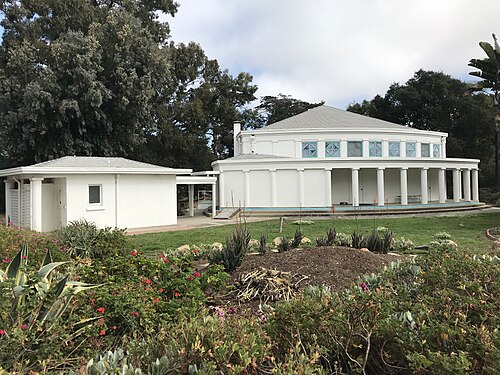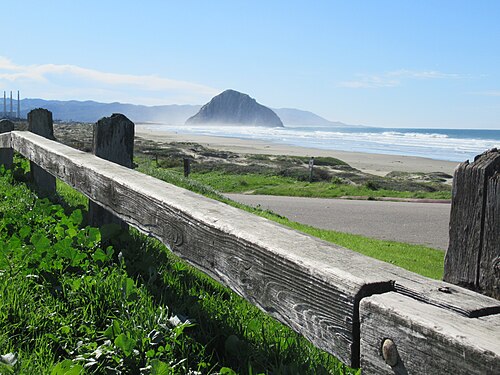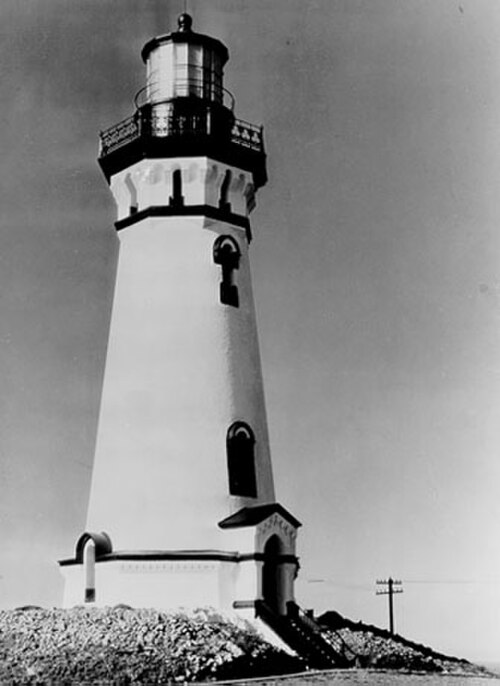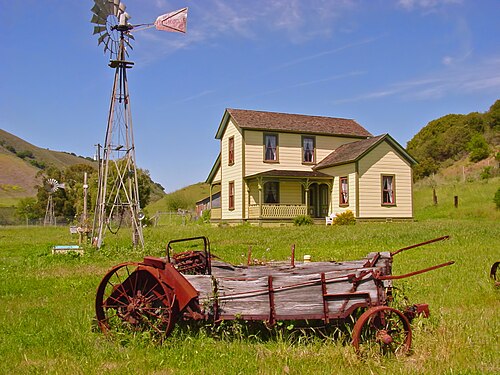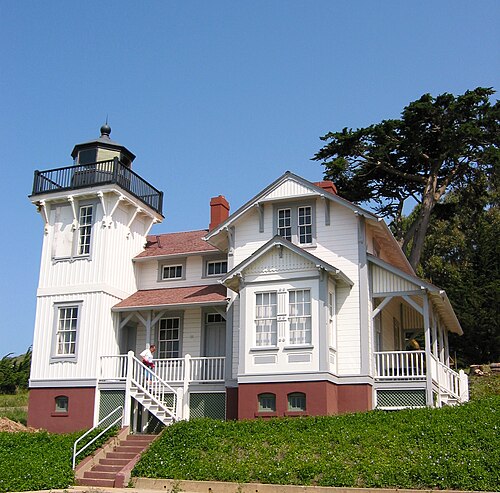
San Luis Obispo County California (Historic Districts) has 6 places on the National Register of Historic Places including 1 place of National significance and 2 places of Statewide significance. Significant places include Carrizo Plain Rock Art Discontiguous District, Piedras Blancas Light Station and San Luis Obispo Light Station, Morro Bay State Park Trailer and Tent Campground and Price, John, House.
Prehistoric cultural affiliation(s) include Middle Intermediate Period, Late Prehistoric/Late Horizon/Ca and Chumash/Yokuts dating back to 2999 BC.
The famous person John Price is associated with one of more of the San Luis Obispo County historic places.
Some of the country's most noteable architects helped create the San Luis Obispo County places including 12th District US Lighthouse Board and L.A. Lawrence. Prominent architectural styles found in San Luis Obispo Country are Bungalow/Craftsman, Classical Revival and Gothic.
Historic Significance:
Architecture/Engineering, Information Potential
Area of Significance:
Prehistoric, Historic - Aboriginal, Art, Religion
Cultural Affiliation:
Middle Intermediate Period, Late Prehistoric/Late Horizon/Ca, Chumash/Yokuts
Period of Significance:
1900-1750 AD, 1749-1500 AD, 1499-1000 AD, 1000-2999 BC, 1000 AD-999 BC
Historic Function:
Agriculture/Subsistence, Domestic, Industry/Processing/Extraction, Recreation And Culture, Religion
Historic Sub-function:
Camp, Ceremonial Site, Processing, Processing Site, Work Of Art (Sculpture, Carving, Rock Art)
Current Function:
Landscape
Current Sub-function:
Unoccupied Land
Deep in the Carrizo Plain sits Painted Rock. For thousands of years, Native Californians-specifically the Chumash, Yokuts, and Salinan people-used this natural amphitheater for sacred rituals. They left behind spectacular art. Red iron oxide, black charcoal, and white diatomaceous earth cover the stone. Some drawings stretch across meters of rock. You can still see abstract shapes, stylized condors, and multi-legged creatures painted with brushes made of animal hair or shredded soaproot. It wasn't just decoration it was a portal to the spirit world. Shamans gathered here during solstices. They ingested toxic jimsonweed to hallucinate, then painted their visions directly onto the sandstone.
But this National Register listing covers more than just that one famous rock. It includes smaller, scattered sites. These spots served as temporary camps or shrines. Sadly, the art has taken a beating. Early ranchers and homesteaders used the ancient paintings for target practice. Some carved their initials. Tourists literally threw water on the pigments to make them pop for early cameras, which actually dissolved the organic binders. Federal laws protect them now. But wind and rain still slowly erode the chalky surfaces. It is a race against time. We are losing these physical connections to the indigenous cosmos. Chip by chip.