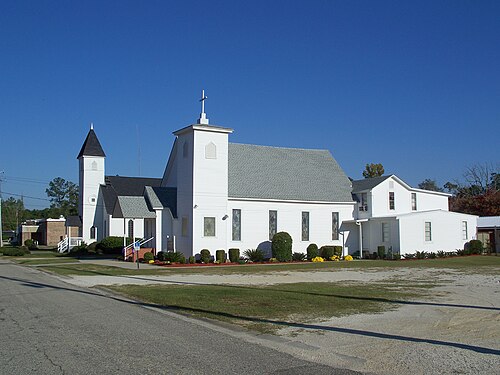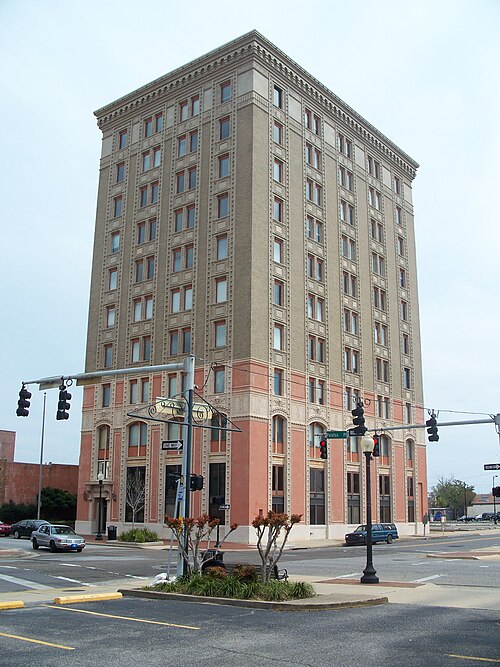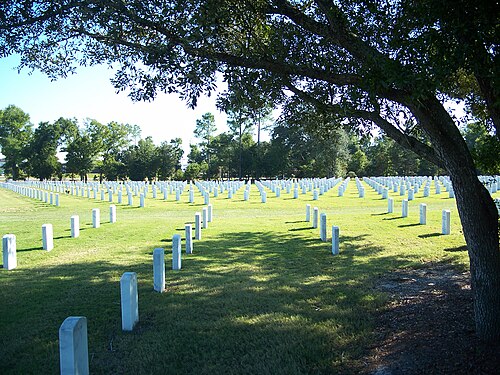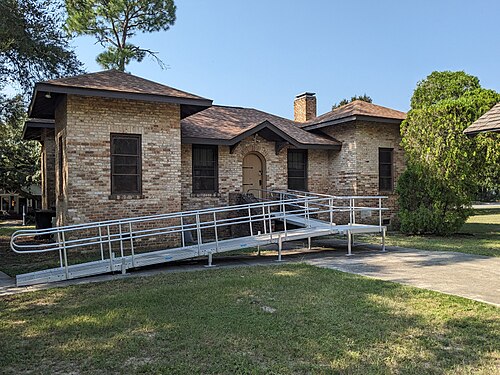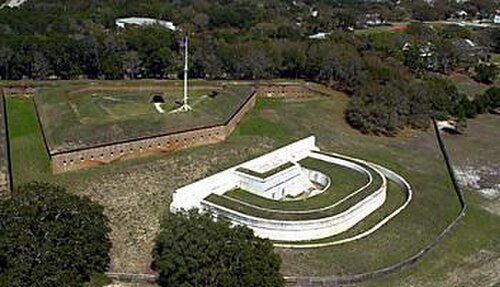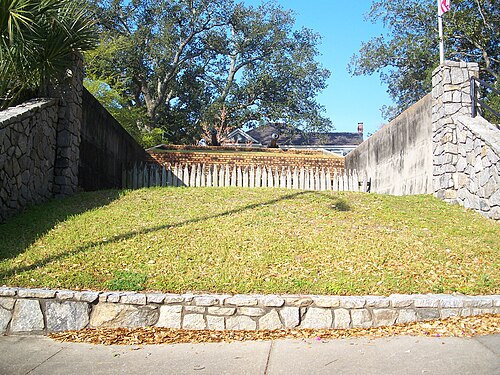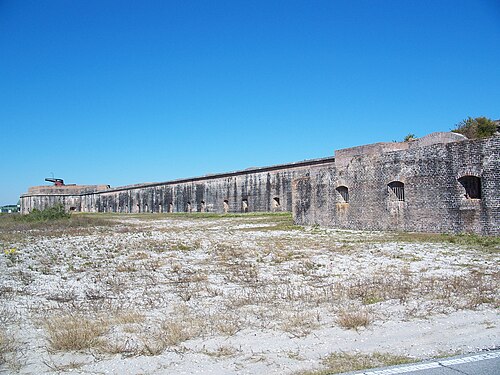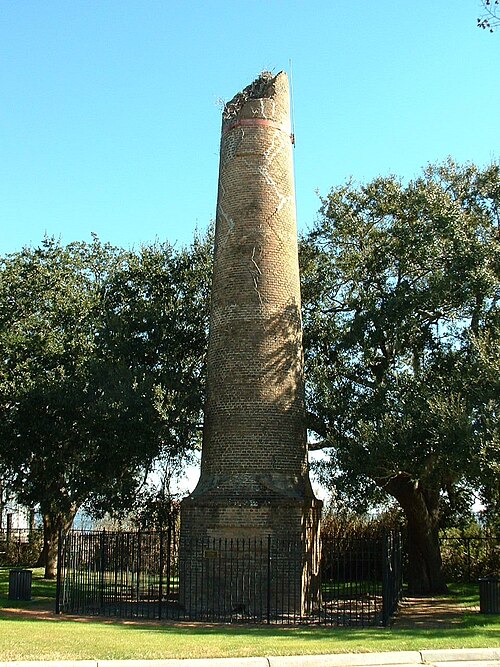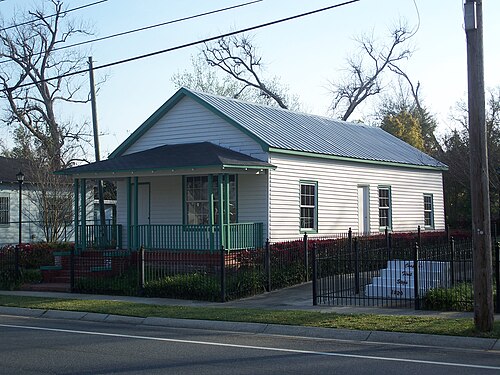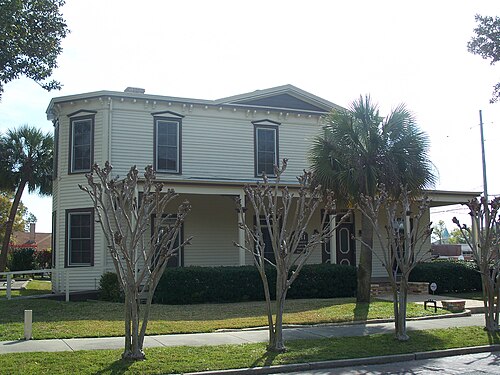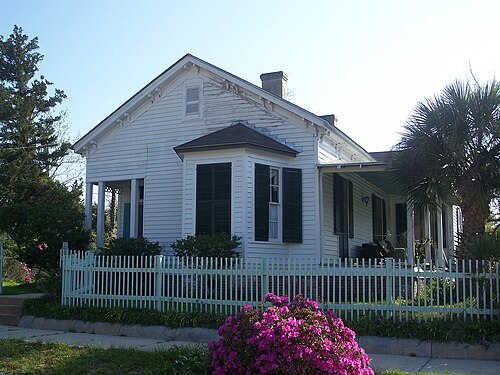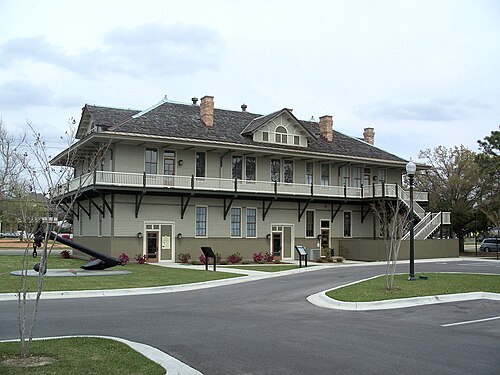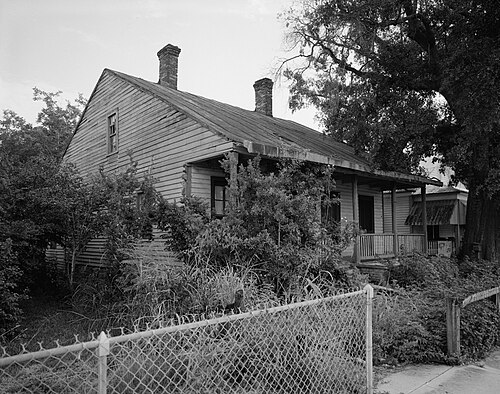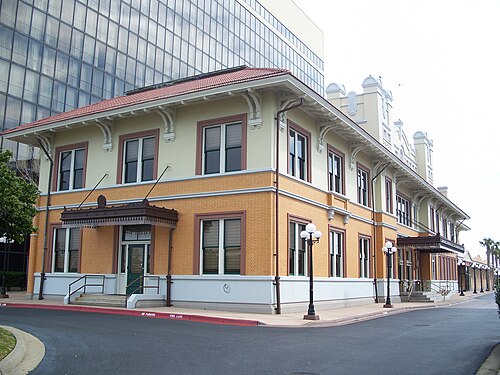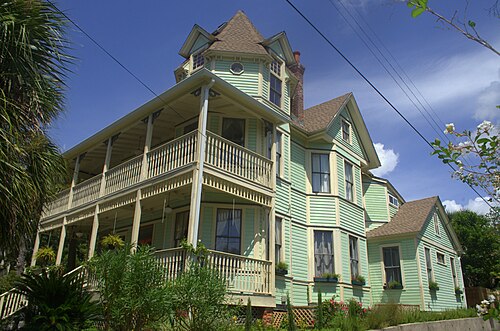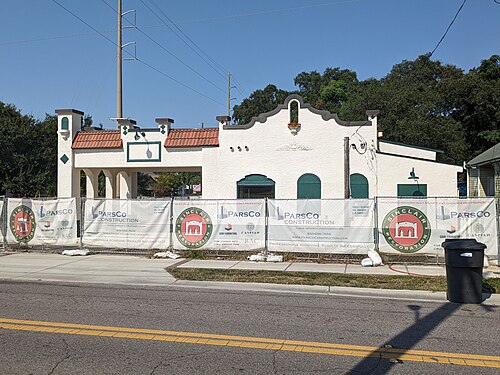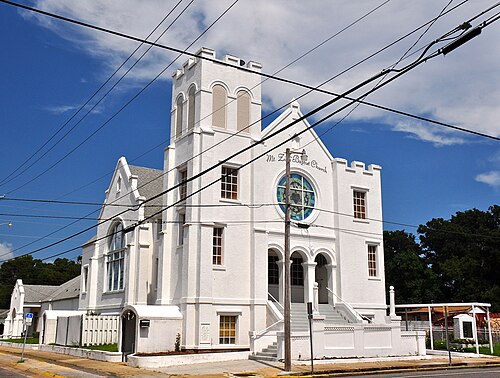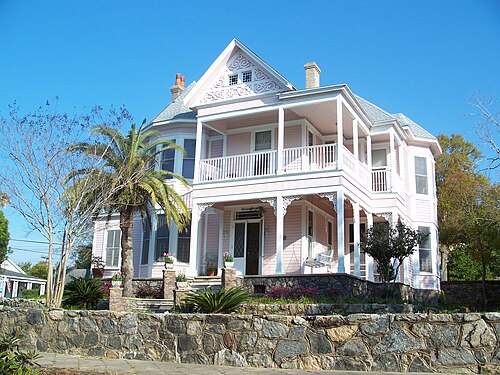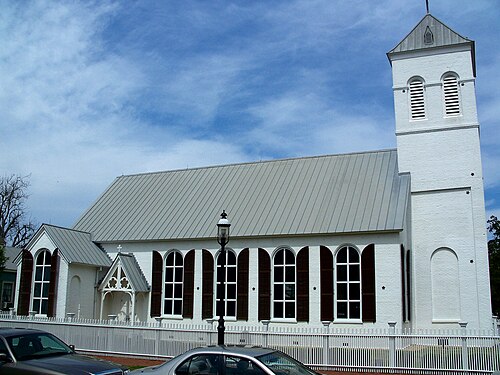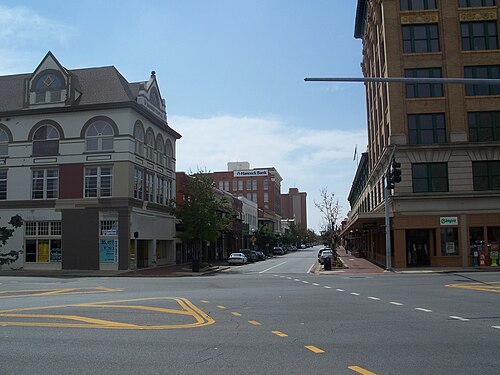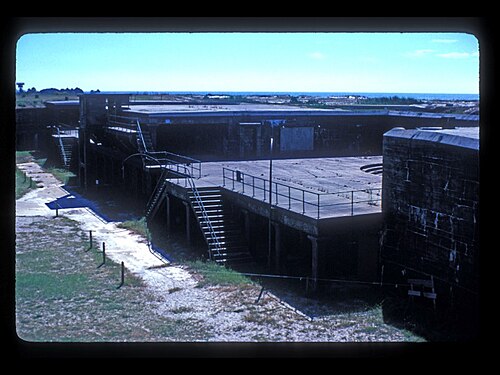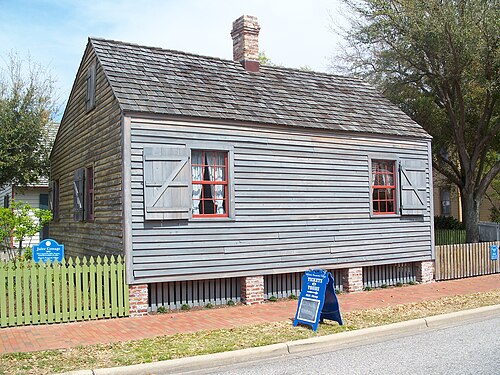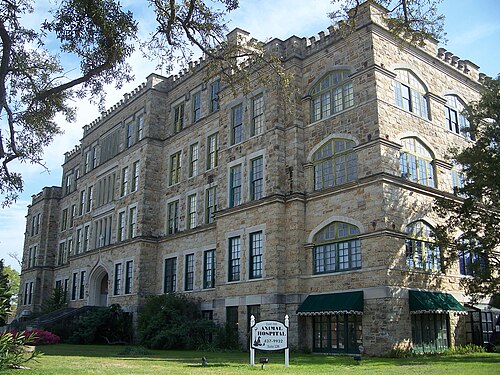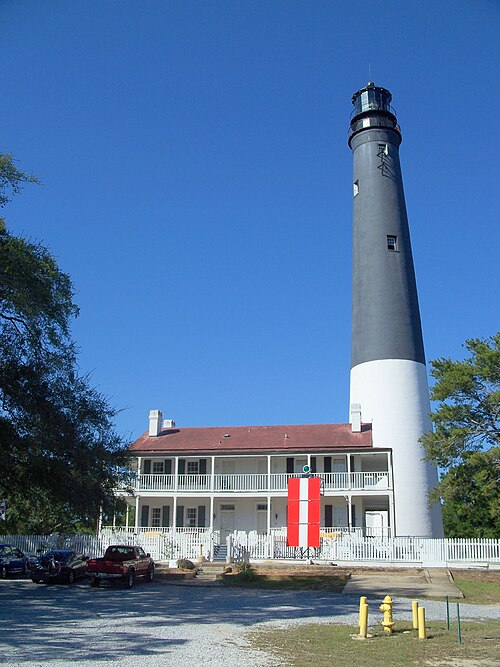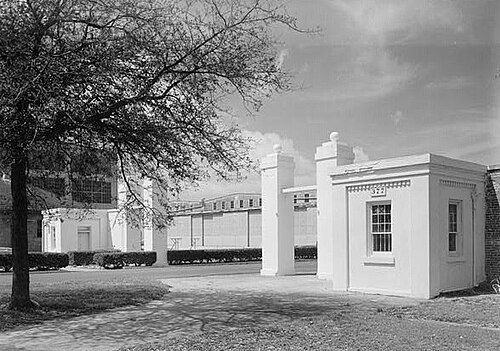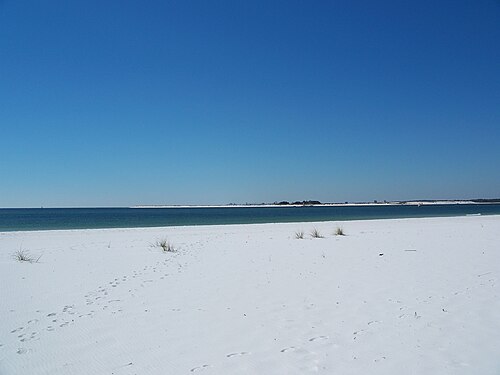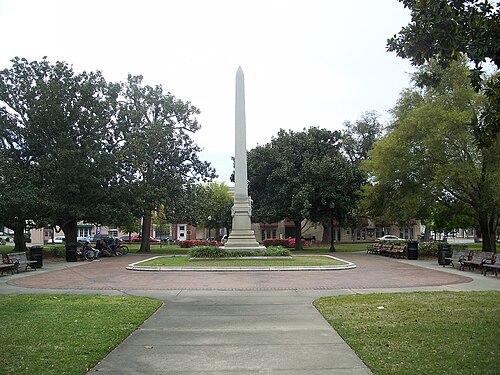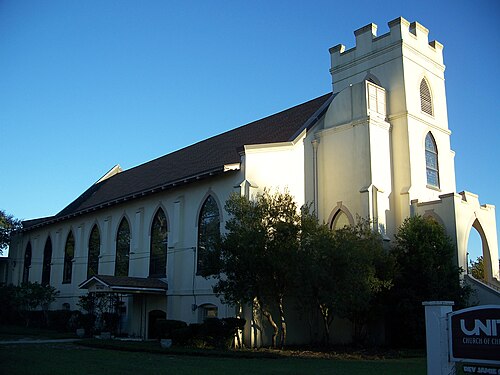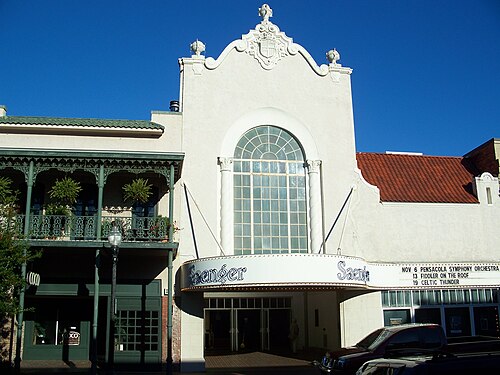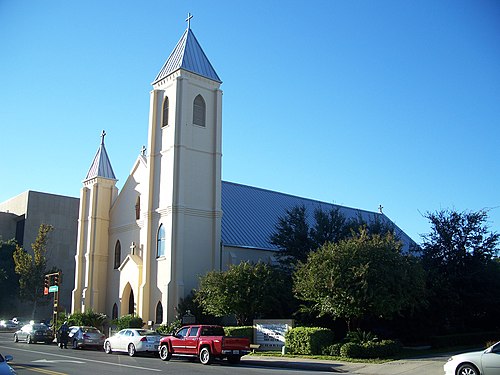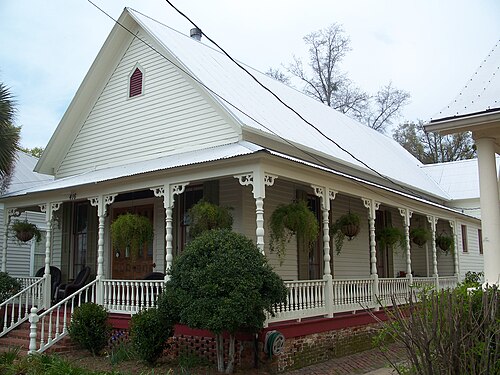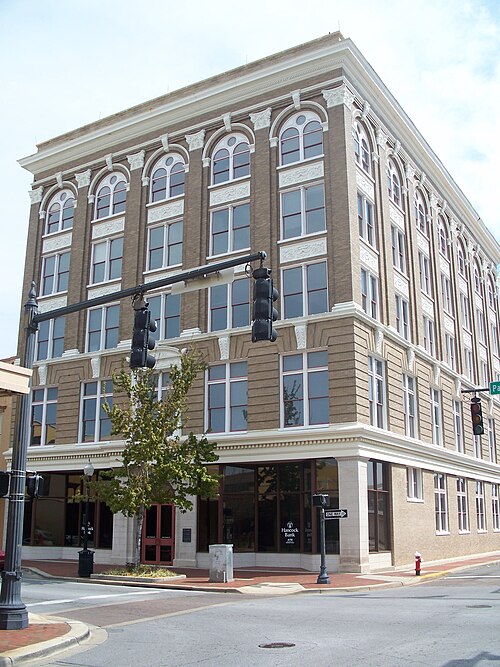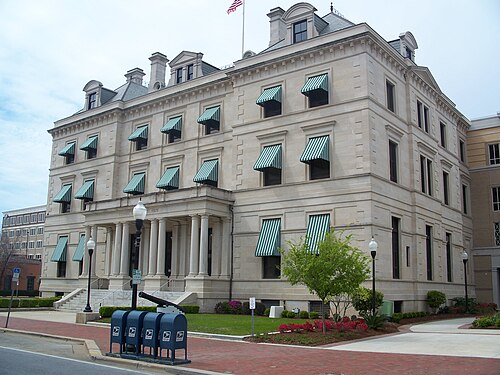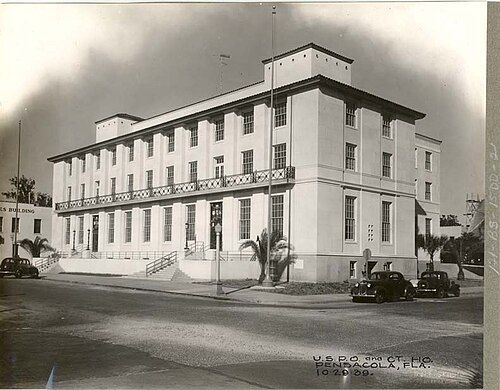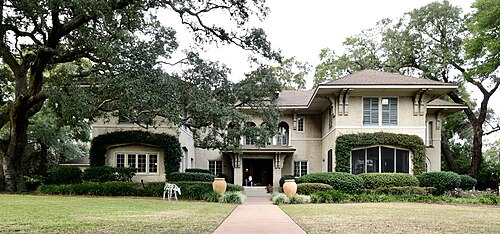
Escambia County Florida has 46 places on the National Register of Historic Places including 9 places of National significance and 11 places of Statewide significance. Significant places include Barrancas National Cemetery, Emanuel Point Shipwreck Site, Fort Pickens, L & N Marine Terminal Building and Lavalle House.
Prehistoric cultural affiliation(s) include Mississippian Culture dating back to 1000.
Several famous people are associated with these Escambia County historic places including Charles William Jones and Lillie Ann James.
Some of the country's most noteable architects helped create the Escambia County places including William Cramp & Sons, Navy Dept., Alexander V. Clubbs, Louisville & Nashville Railroad Co., W.L. Stoffart, Arthur D. Shipyard Story, Evans Bros., A.O. Von Herbulis, Walker D. Willis and Thomas F. McManus. Prominent architectural styles found in Escambia Country are Late 19th And 20th Century Revivals, Late Gothic Revival and Late Victorian.
Historic Significance:
Event, Architecture/Engineering, Information Potential
Architect, builder, or engineer:
William Cramp & Sons
Architectural Style:
Other
Area of Significance:
Engineering, Architecture, Maritime History, Military, Historic - Non-Aboriginal
Period of Significance:
1900-1924, 1875-1899
Historic Function:
Transportation
Historic Sub-function:
Water-Related
Current Function:
Landscape
Current Sub-function:
Underwater
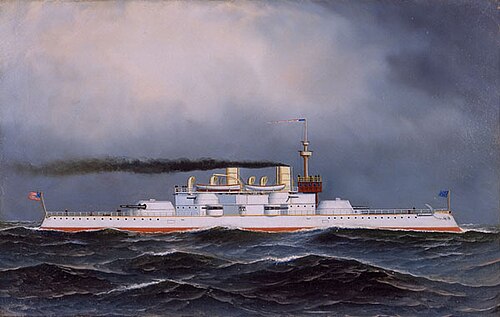
The USS Massachusetts (BB-2) represents the raw, clunky dawn of the modern steel American Navy. Commissioned in 1896, this Indiana-class beast carried massive thirteen-inch guns designed to pummel Spanish warships. She fought off Cuba. But technology moved too fast. By 1921, the Navy considered her obsolete junk, so they towed her to the shallow waters off Pensacola Pass. Fort Pickens gunners used her for target practice. They blasted her hull with double-breech artillery until she sank.
Today, the wreck sits in just thirty feet of water. A jagged playground of steel. In 1993, Florida designated the site as an underwater archaeological preserve, and the federal government added it to the National Register in 2001. Divers love it. They swim through the collapsed superstructure to touch gun turrets and massive boiler tubes now encrusted with brine and barnacles. Gulf storms constantly shift the sand. One year the stern is entirely exposed, and the next it is swallowed up again. It remains a raw, heavy piece of naval history you can practically touch from the Pensacola shoreline.