Maryland - St. Marys County
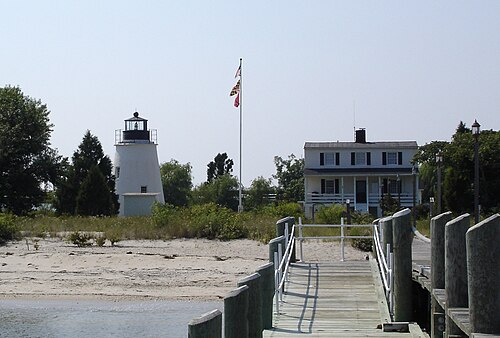
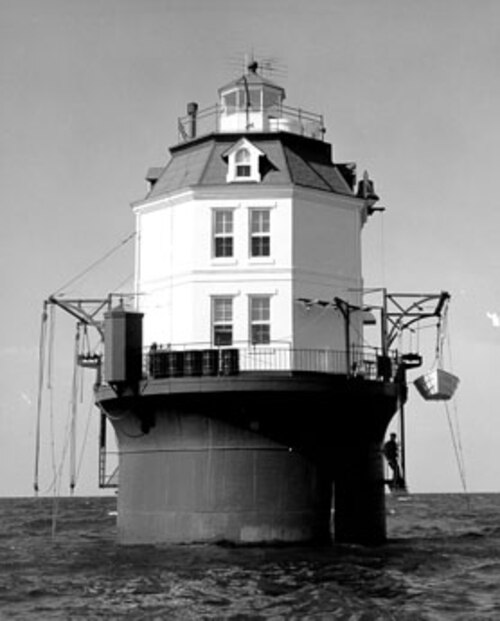
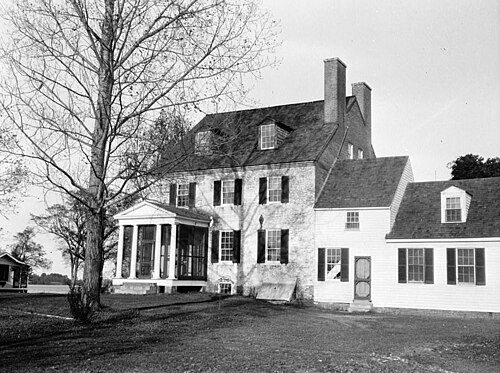
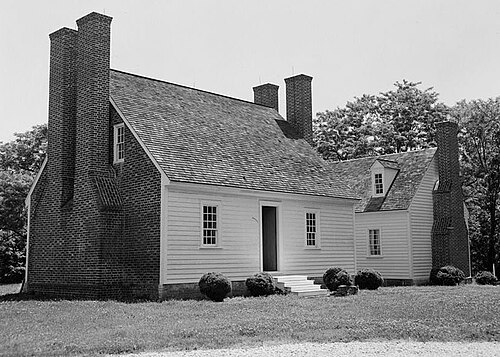
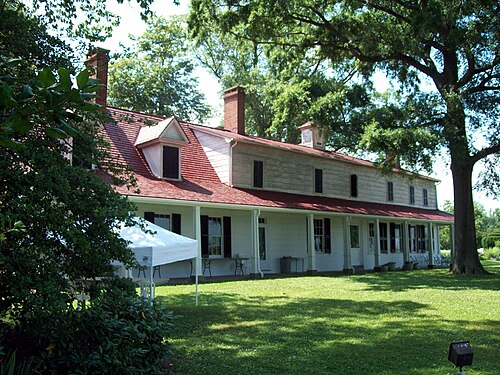
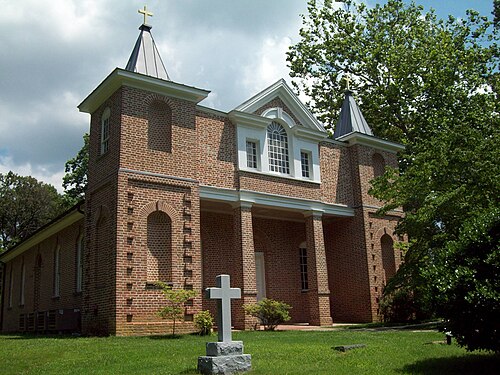
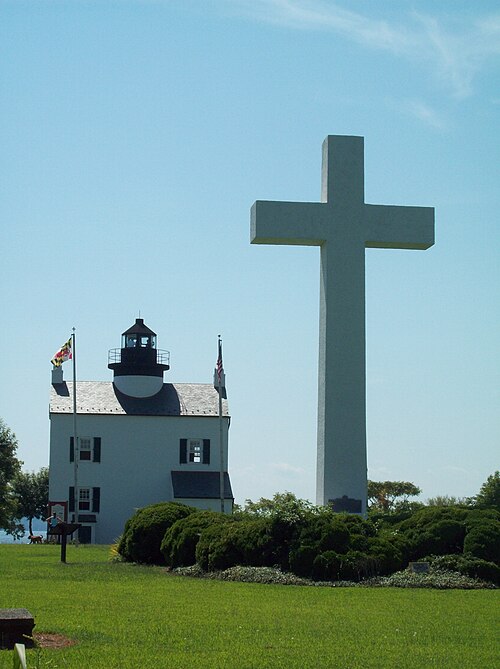
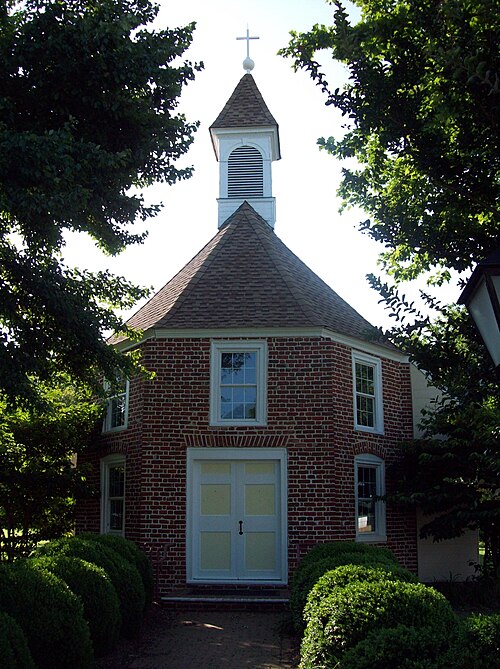
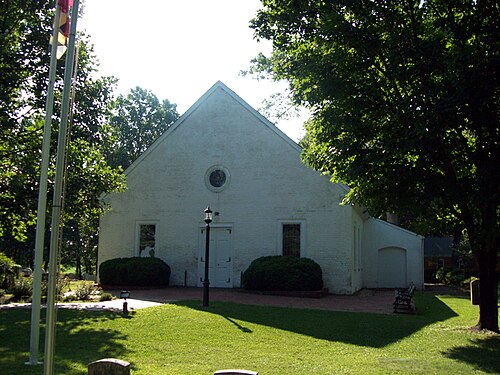
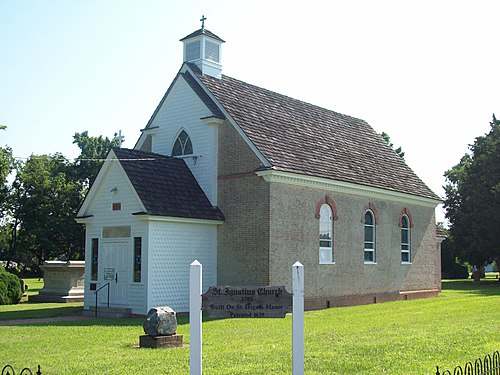
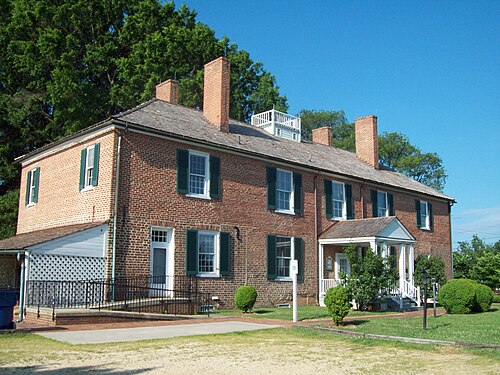
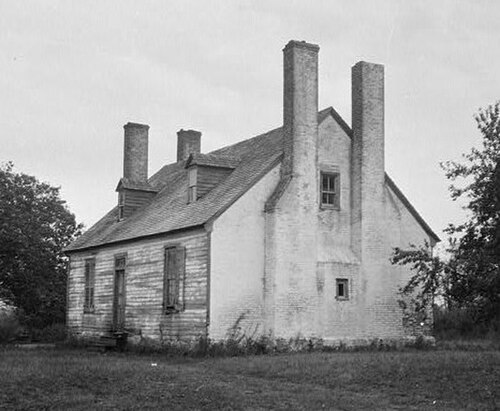
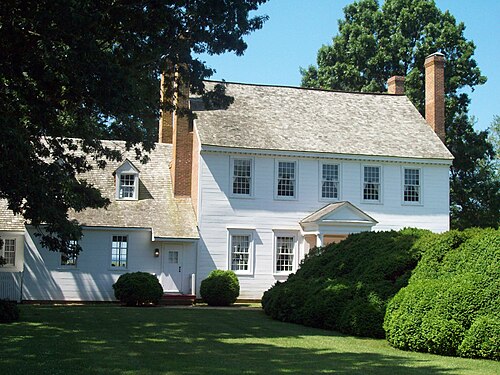
St. Marys County Maryland has 41 places on the National Register of Historic Places including 8 places of National significance and 14 places of Statewide significance. Significant places include MARY W.SOMERS (Chesapeake Bay skipjack), Ocean Hall, Piney Point Coast Guard Light Station, Resurrection Manor and St. Clement's Island Historic District.
Prehistoric cultural affiliation(s) include Archaic, Early--Middle Woodland and 17th--18th Cen. Colonial dating back to 6999 BC.
Many famous people are associated with these St. Marys County historic places including Ignatius Fenwick, Charles Calvert, Combs, George, et.al., Enoch B. Abell, Richard Boulton and Caleb M. Jones.
Some of the country's most noteable architects helped create the St. Marys County places including John Donohoo, Nordseewerke Shipyard, Robert Syle, Major William Thomas, John Attaway Clarke, Abraham Barnes, Richard Boulton, New York Toomey Brothers, Samuel Jr. Abell and Vincent Camalier. Prominent architectural styles found in St. Marys Country are Federal, Georgian and Greek Revival.
Historic Significance:
Architecture/Engineering, Event
Architect, builder, or engineer:
Nordseewerke Shipyard
Architectural Style:
Other
Area of Significance:
Military, Maritime History, Engineering
Period of Significance:
1925-1949
Historic Function:
Defense
Historic Sub-function:
Naval Facility
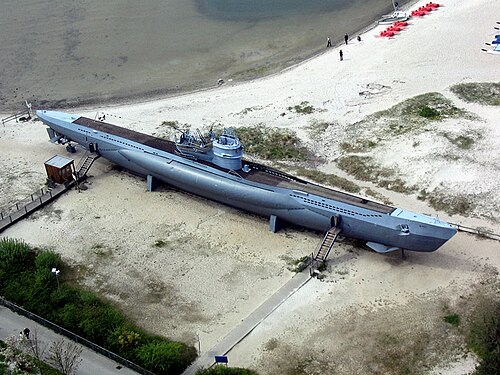
It wore a skin of black rubber. The Kriegsmarine called this experimental acoustic-camouflage coating Alberich, a four-millimeter-thick synthetic rubber designed to swallow Allied sonar pulses and keep the submarine invisible in the deep. It worked pretty well, actually. In April 1945, the submarine torpedoed and crippled the British frigate HMS Redmill off Ireland, slipping away into the dark before the escort group could pin down its location. Only about a dozen U-boats ever got this rubber cladding, which makes the wreck of U-1105 an incredibly rare survivor of late-war Nazi stealth technology. The Allies wanted those secrets.
So, after Germany surrendered, the Royal Navy handed the boat over to the United States. The US Navy brought it to the Potomac River to dissect the adhesive that kept that rubber stuck to the steel hull under immense pressure. They learned a lot. Then they blew it up. In 1949, navy researchers detonated a 250-pound depth charge just thirty feet from the submerged hull, cracking its spine and sending it ninety feet down to the muddy bottom near Piney Point. Not an easy dive, though. Strong currents and near-zero visibility protect the wreck far better than modern state laws do, keeping the peeling rubber tiles and intact conning tower preserved in the cold, brackish water.