Morris County New Jersey (Historic Districts) has 38 places on the National Register of Historic Places including 2 places of National significance and 5 places of Statewide significance. Significant places include Ringling, Alfred T., Manor, Tempe Wick Road--Washington Corners Historic District, Boonton Ironworks Historic District, Morris Canal and Schooley's Mountain Historic District.
Many famous people are associated with these Morris County historic places including Alfred T. Ringling, Ephraim Marsh, William S. Cary, Moses N. Combs, Jacob Green and John Dodd Canfield.
Some of the country's most noteable architects helped create the Morris County places including Campbell Vorhees, Stanford White, Ephraim Beach, Ephraim Morris, Lewis Cary, Frank Furness, Herbert J. Hapgood, Polhemus & Coffin, Aaron Hudson and Richard Upjohn. Prominent architectural styles found in Morris Country are Greek Revival, Italianate and Late Victorian.
Historic Significance:
Event, Architecture/Engineering
Architect, builder, or engineer:
Vorhees, Campbell, White, Stanford
Architectural Style:
Colonial, Colonial Revival
Area of Significance:
Military, Architecture
Period of Significance:
1925-1949, 1900-1924, 1875-1899, 1850-1874, 1825-1849, 1800-1824, 1750-1799
Owner:
Private, Federal, Local, State
Historic Function:
Agriculture/Subsistence, Domestic, Education, Transportation
Historic Sub-function:
Agricultural Outbuildings, Road-Related, School, Single Dwelling
Current Function:
Agriculture/Subsistence, Domestic, Recreation And Culture, Transportation
Current Sub-function:
Agricultural Outbuildings, Museum, Road-Related, Single Dwelling
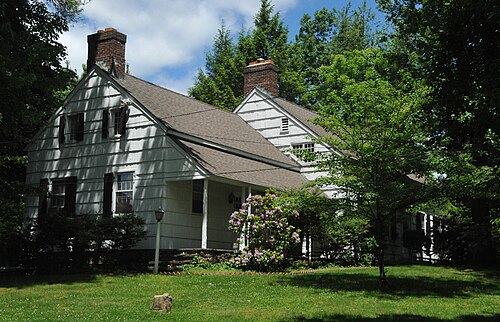
Snow piled deep. Over ten thousand Continental soldiers starved nearby at Jockey Hollow. The historic district centers on Tempe Wick Road, which served as a crucial military artery. Tempe Wick herself made history here. In January 1781, mutinous Pennsylvania soldiers tried to steal her favorite riding horse, Esther. Tempe reacted fast, leading the mare straight through the back door and into her bedroom. It worked.

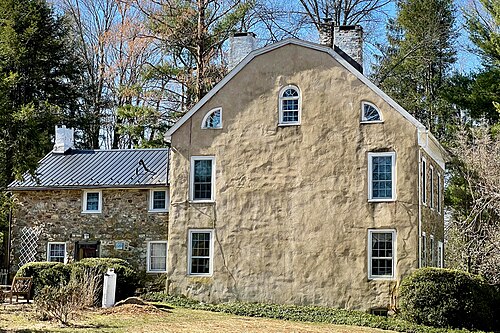
Actually, the physical remnants tell the real story. Walk down the dirt-shoulder roads today and you will spot 18th-century farmhouses, hand-laid stone boundary walls, and old oak groves. The district boundary covers over a thousand acres across Mendham and Harding townships. It includes the 1750 Wick House, where General Arthur St. Clair headquartered. He literally ran an entire military division right out of the family's front parlor. The nearby Leddell mill site ground grain for those troops. These properties survived because local families refused to sell out to modern developers in the 20th century. So, we get an intact, gritty slice of the Revolutionary War's home front. No paved-over strip malls. Just the same rolling hills that weary soldiers marched over.