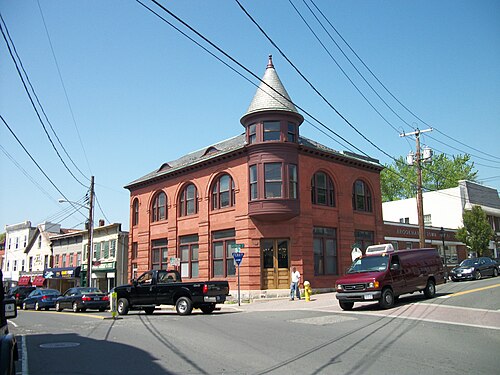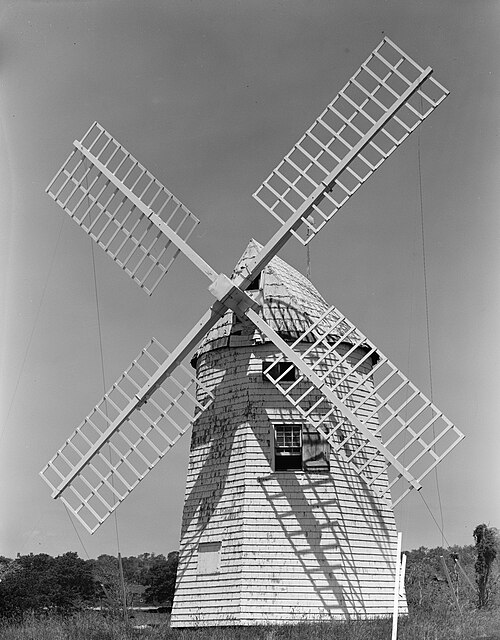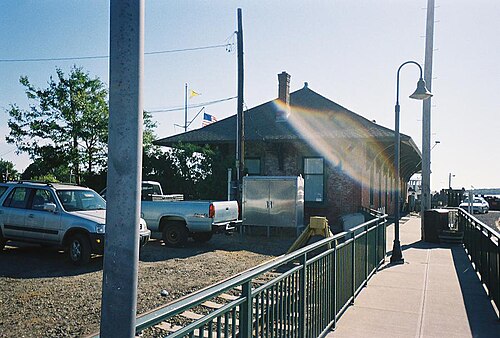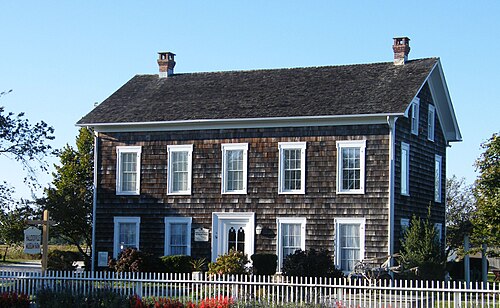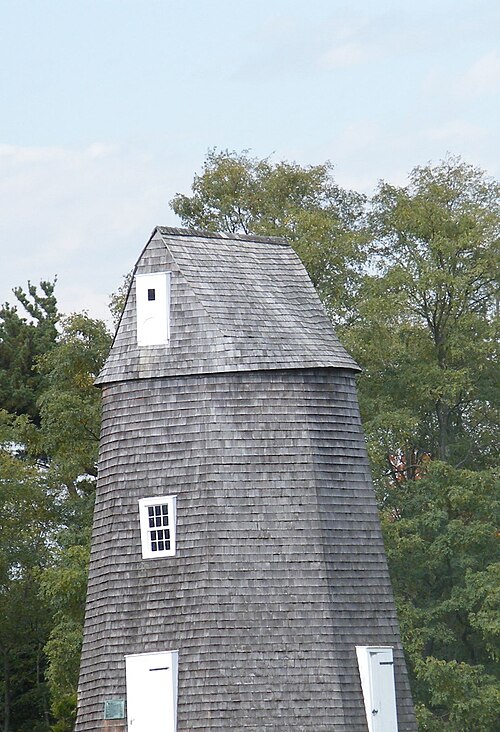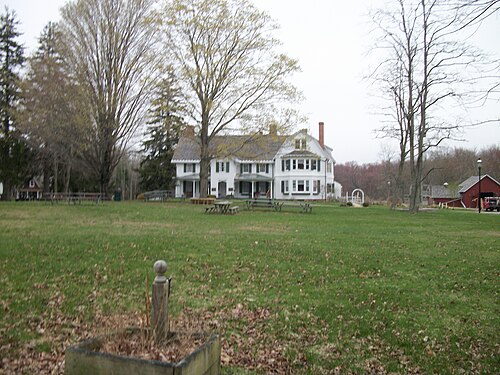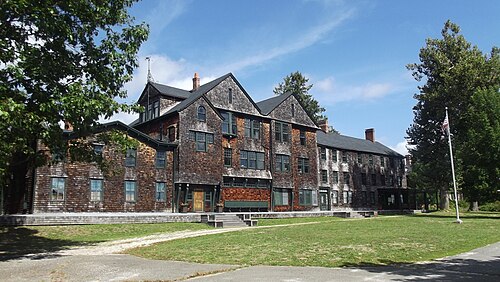
Suffolk County New York (Vacant / Not In Use) has 32 places on the National Register of Historic Places including 3 places of National significance and 6 places of Statewide significance. Significant places include AN/FPS-35 Radar Tower and Antenna, Coltrane House, Radio Central Complex, Fort Corchaug Archeological Site and Gardiners Island Windmill.
Several famous people are associated with these Suffolk County historic places including John W. Coltrane, Alice McLeod Coltrane, Carl Fischer and Francis Marion "Borax" Smith.
Some of the country's most noteable architects helped create the Suffolk County places including Dominy Family, Pearson Construction Co., Nathaniel V Dominy, Abraham Van Wyck, Cuyler Tuthill, Mead & White McKim, Bradford L. Gilbert, Loper Bros., Grosvenor Atterbury and John Bumpstead. Prominent architectural styles found in Suffolk Country are Colonial Revival, Gothic and Greek Revival.
Historic Significance:
Architecture/Engineering, Event
Architectural Style:
Other
Area of Significance:
Engineering, Military
Period of Significance:
1950-1974
Historic Function:
Defense
Historic Sub-function:
Air Facility
Current Function:
Vacant/Not In Use
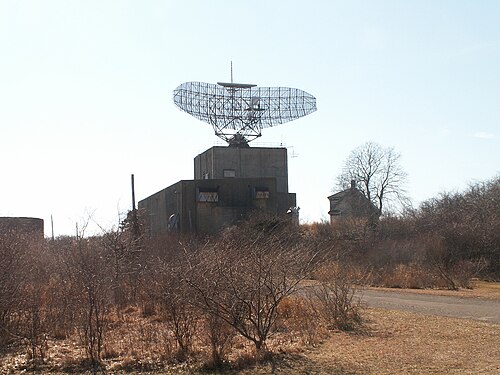
The AN/FPS-35 Radar Tower and Antenna, located at the former Montauk Air Force Station (now Camp Hero State Park) in Suffolk County, New York, is historically significant as the last remaining intact example of its kind in the United States. Constructed in 1960 and operational by 1962, this monumental structure consists of an 80-foot-tall reinforced concrete transmitter building topped by a colossal, 120-foot-wide by 50-foot-high steel mesh reflector antenna. Developed by the Sperry Gyroscope Company, the AN/FPS-35 was a state-of-the-art, high-power search radar designed to detect enemy aircraft at extreme ranges and altitudes. While several of these massive radar systems were deployed across the nation to guard American airspace during the height of the Cold War, the Montauk installation is the only one that retains both its concrete gantry tower and its iconic sail-like antenna, making it an irreplaceable technological artifact.
On a national scale, the radar tower represents a critical chapter in American military history and Cold War defense strategy. As a key component of the Air Defense Command's Semi-Automatic Ground Environment (SAGE) system, the Montauk station served as a vital early warning outpost protecting the New York metropolitan area and the northeastern seaboard from potential Soviet bomber attacks. The facility operated continuously through periods of intense geopolitical tension, including the Cuban Missile Crisis, before finally being decommissioned in 1980. Today, the towering structure stands as a prominent coastal landmark on the eastern tip of Long Island, serving as a powerful physical monument to the nation's mid-twentieth-century national defense efforts and the engineering achievements of the Cold War era.