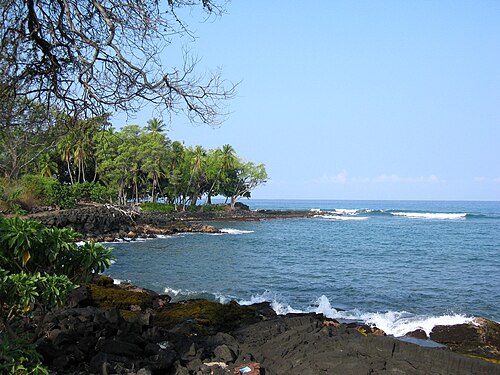
Walk along the dry Kona coast. You will eventually stumble onto massive stone structures that look like giant steps climbing up the volcanic slope. This is Holualoa 4. It is not just some collection of old rocks. Actually, this site houses one of the most intact hlua slides left in Hawaii. Imagine a massive, elevated stone ramp built for high-speed, death-defying tobogganing. Hawaiian chiefs, or alii, coated the rocky runway with pili grass and kukui nut oil to make it slick. Then they hurtled down. Standing on narrow wooden sleds called papahlua, these elites risked their lives to prove their spiritual power, known as mana. A single mistake meant death.
But Holualoa 4 represents more than just royal adrenaline. It covers an entire traditional land division stretching from the ocean up into the misty uplands. Here, archeologists mapped out remnants of the Kona Field System. This was an agricultural powerhouse. Farmers built miles of dry-stack stone walls called kuaiwi to divide planting zones and block the wind. They grew sweet potatoes. They cultivated dryland taro in the rocky dirt, utilizing every square inch of available moisture.
You also find the sacred spaces. Temple platforms, or heiau, sit alongside ancient burial sites and petroglyph carvings. These structures prove the area was a major political and religious hub during the 16th and 17th centuries. Some oral histories connect this specific tract to the high chief Liloa. Others link it to Kamehameha I. By looking at the sheer density of these ruins, we see how the ruling class controlled both the gods and the food supply. It is not a pristine park. Modern development constantly threatens these ancient rocks, but they still hold the stories of Kona's old rulers.
- T Walker
What Makes Holualoa 4 Archeological District (State Site No. 50-10-37-23.661) Special: