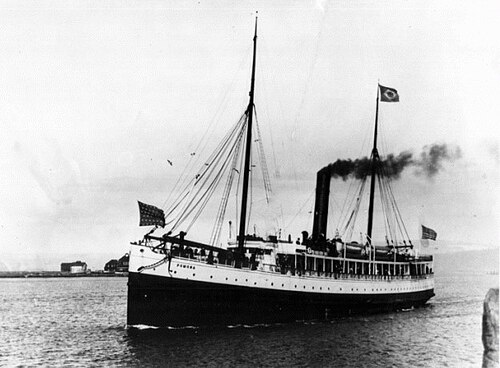
The SS Pomona hit hard. On St. Patricks Day in 1908, the 225-foot steel-hulled steamer struck an uncharted reef-now called Pomona Rock-just off the Sonoma coast while churning north from San Francisco. A total nightmare. Captain Andrew Sidebotham acted fast. He ran the vessel aground in Fort Ross Cove, saving all 148 passengers and crew. Locals watched from the cliffs as waves battered the stranded vessel. She didn't last long. Within months, salvage crews stripped her brass, engines, and cargo, leaving the crushed iron skeleton to sink into forty feet of cold, turbulent water.
Today, the wreck is a playground for harbor seals and kelp. Actually, it is also a vital archaeological archive. Built by San Franciscos Union Iron Works in 1897, the Pomona represents the critical transition from wooden sailing vessels to steel-hulled, coal-fired steamships. These vessels drove Californias coastal trade. Marine archaeologists dive the site to study early steel manufacturing techniques. The site still retains her massive Scotch marine boilers, a 14-foot propeller, and chunks of her iron hull. This wreckage earned its spot on the National Register of Historic Places in 2008. It offers a rare, undisturbed look at turn-of-the-century industrial ship design, preserved in the freezing waters of Northern California.