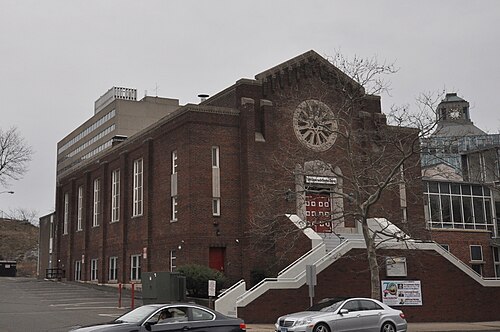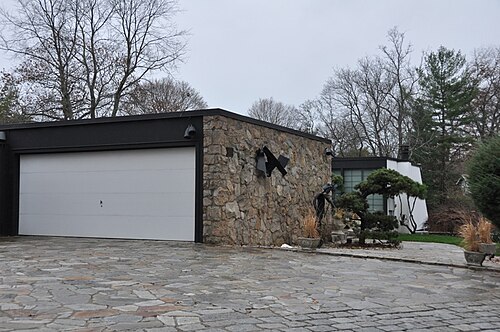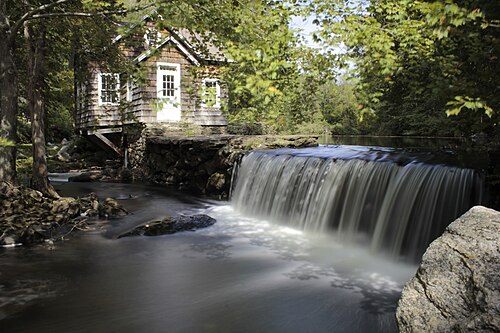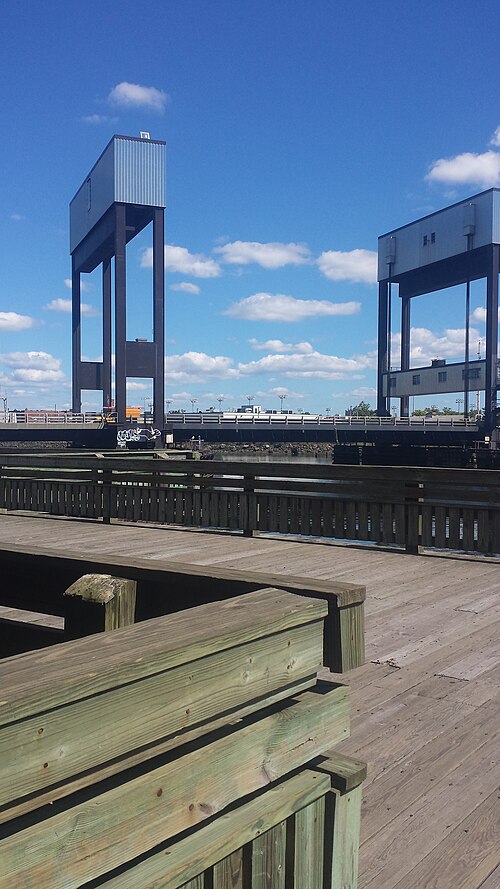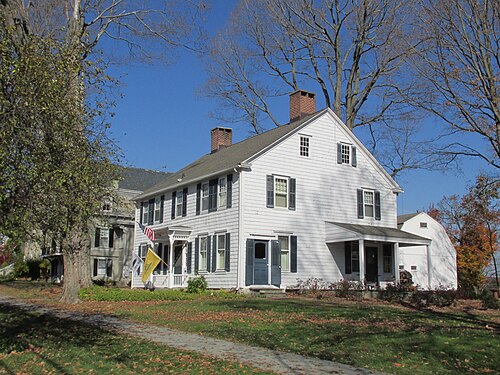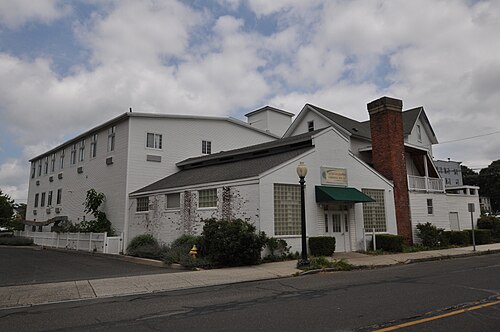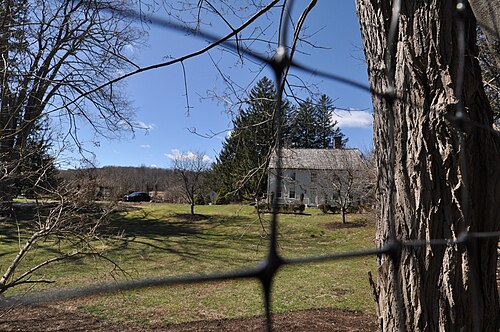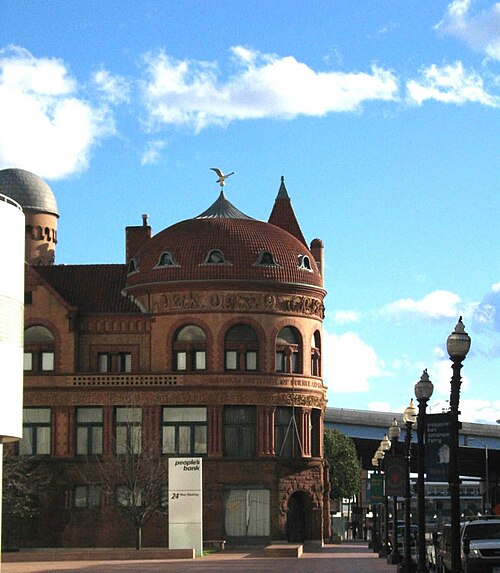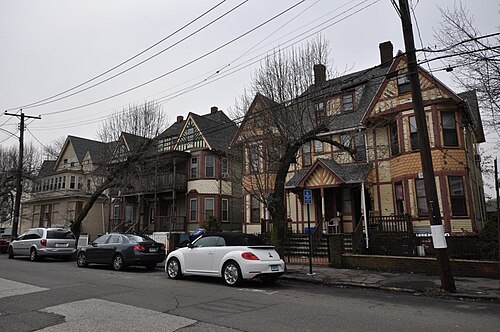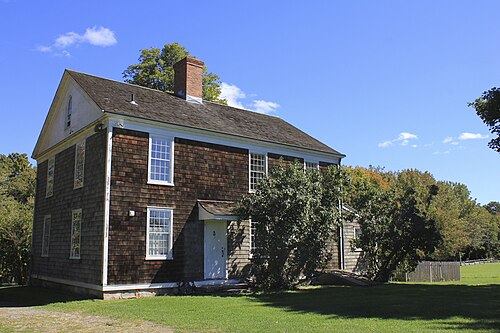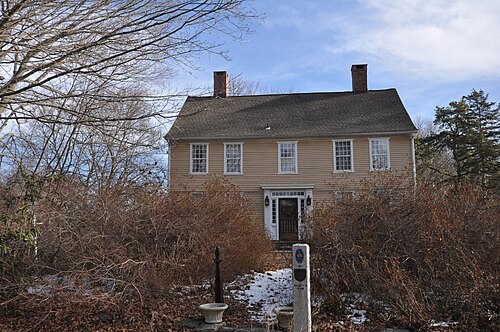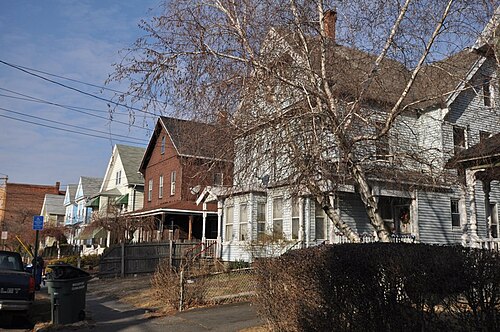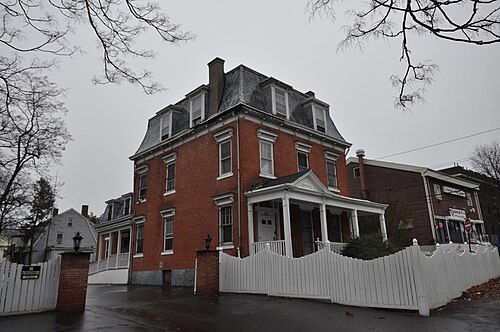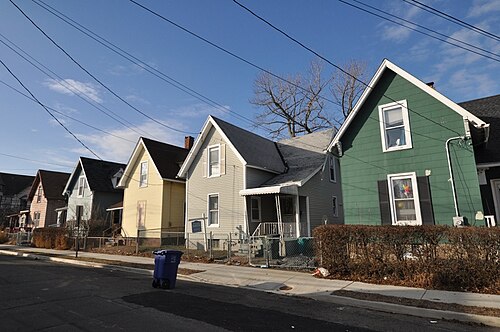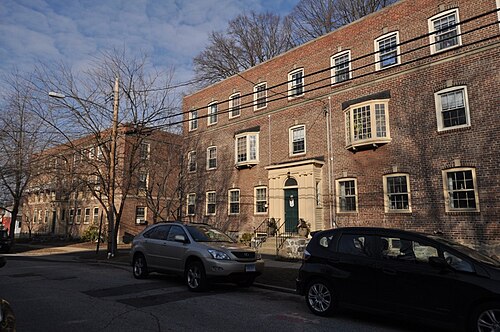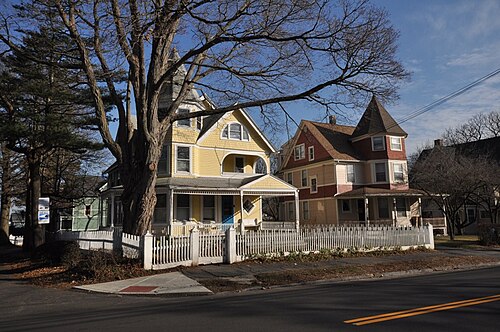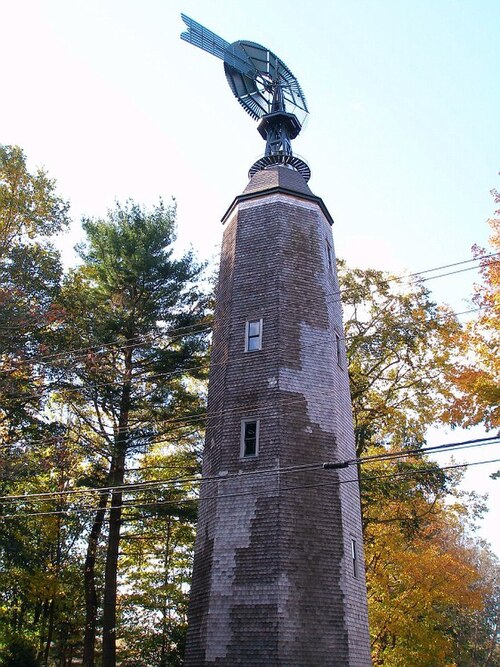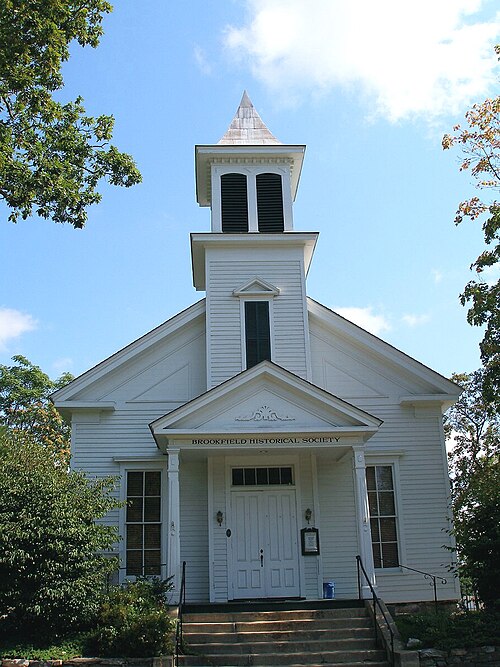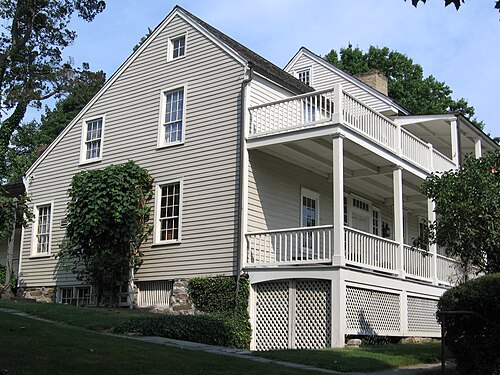
Fairfield County Connecticut has 50 places on the National Register of Historic Places including 9 places of National significance and 22 places of Statewide significance. Significant places include BERKSHIRE NO. 7, Baldwin, Caleb, Tavern, Ball and Roller Bearing Company, Barnum Museum and Basset, Daniel, House.
Many famous people are associated with these Fairfield County historic places including P.T. Barnum, Lewis Heim, Mabel Osgood Wright, William Darius Bishop and Helen Keller.
Some of the country's most noteable architects helped create the Fairfield County places including Irving Jacobson, Longstaff, G.W.;Hurd, Frank W., Antinozzi,Frederick H.,Associates, John Curtiss, Gould Bros., Nash Beckwith, Joseph W. Northrup, Palliser & Palliser, Palliser & Co. Palliser and Cass Gilbert. Prominent architectural styles found in Fairfield Country are Greek Revival, Colonial and Colonial Revival.
Historic Significance:
Information Potential
Area of Significance:
Military
Period of Significance:
1750-1799
Historic Function:
Defense
Historic Sub-function:
Military Facility
Current Function:
Industry/Processing/Extraction, Vacant/Not In Use
Current Sub-function:
Energy Facility
History happened in the dirt. In June 1781, nearly 5,000 French soldiers under General Rochambeau marched through Newtown, Connecticut, on their way to Yorktown. They needed rest. So they pitched tents at Camp 10 for a single night. But they left plenty of trash behind. Soldiers dropped pewter regiment buttons, lost French coins, and spilled lead shot into the mud. Actually, local farmers never fully plowed these specific fields, which saved the archaeology. We still have these raw physical traces today.
The French returned in October 1782. They were victorious, though utterly exhausted from the southern campaign. This time, they set up Camp 41 just down the road from their previous stop. The alliance had worked, meaning the British were effectively beaten, but the French still had to march back to Boston to catch their ships home. Newtown is unique. It hosted the foreign army twice on a single campaign. Most Revolutionary War campsites got paved over decades ago. Not this one. Because of its preserved state, the site gives us concrete data about eighteenth-century military logistics, showing exactly how Rochambeau's men managed their baggage trains, pitched their tents, and interacted with the wary Connecticut locals. It is a gritty, real piece of the war.