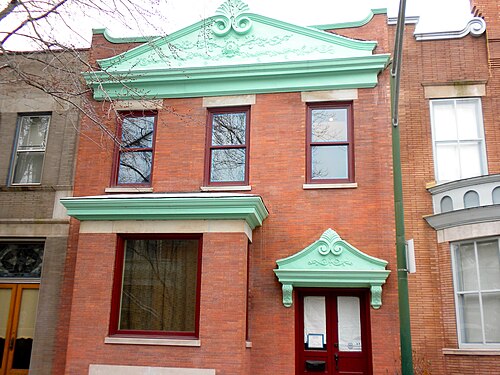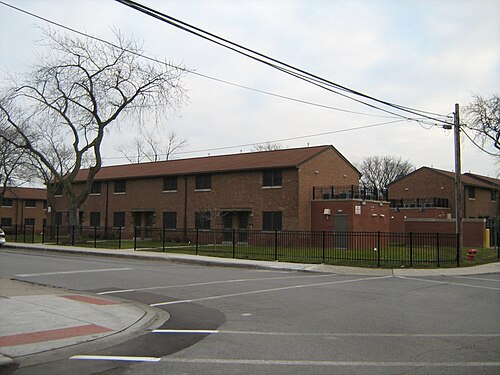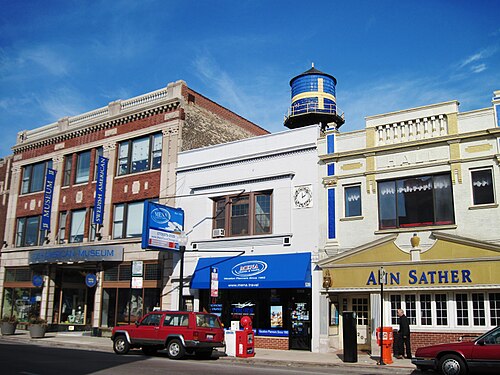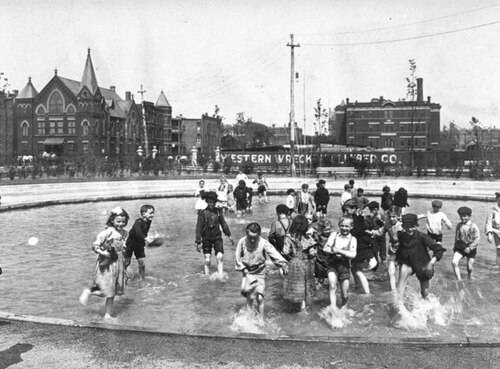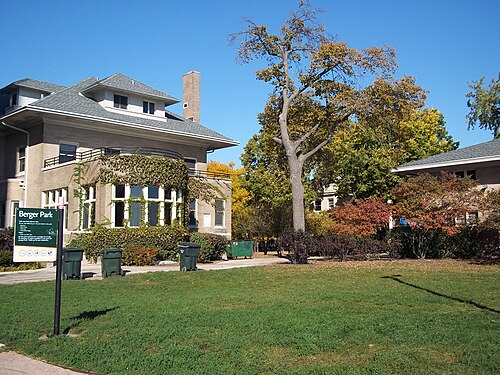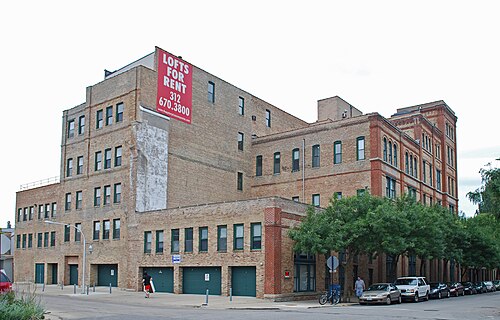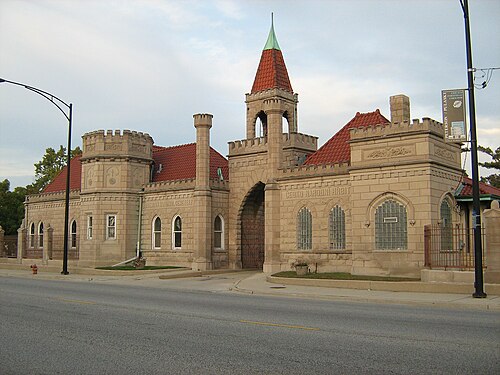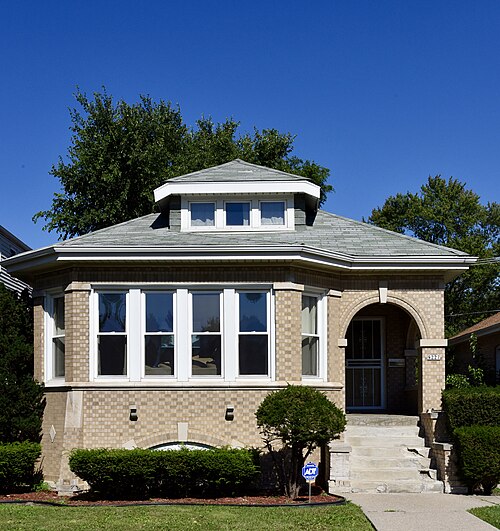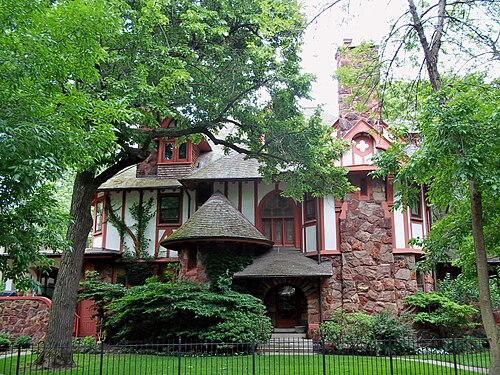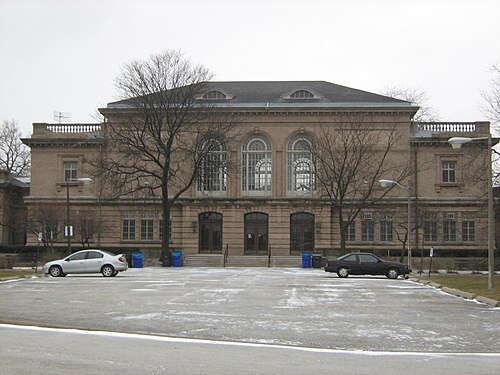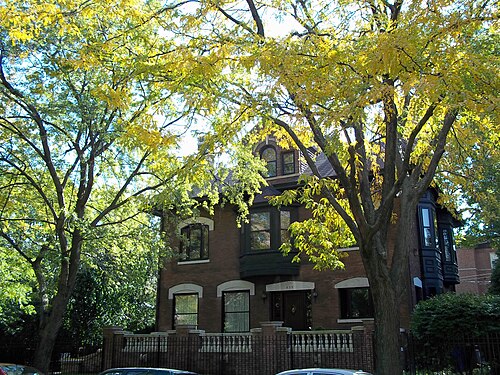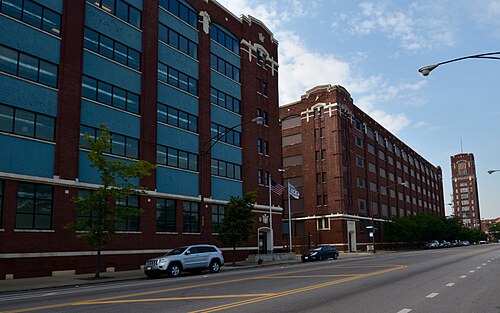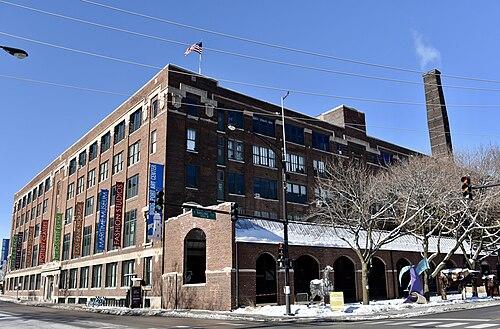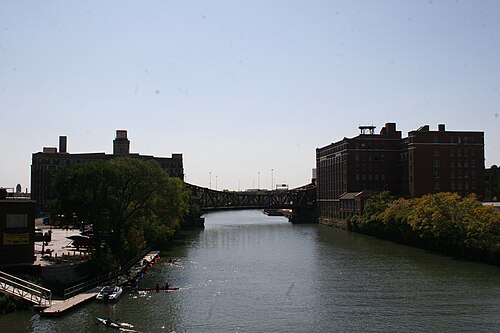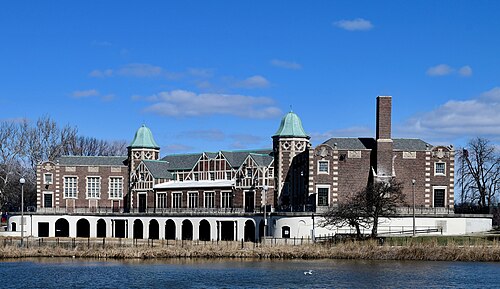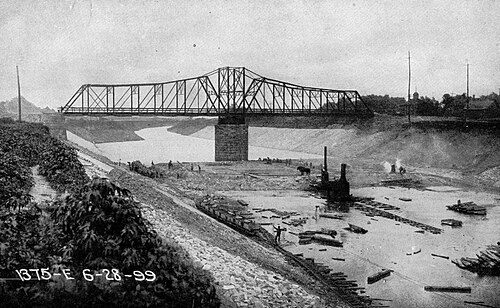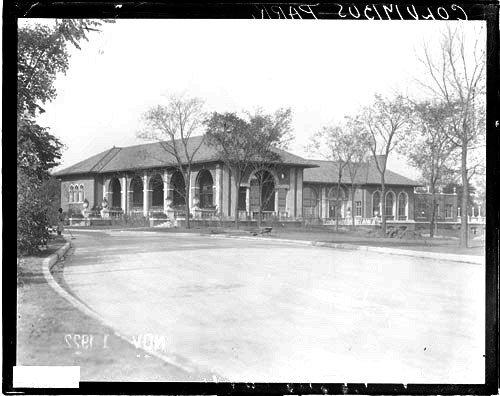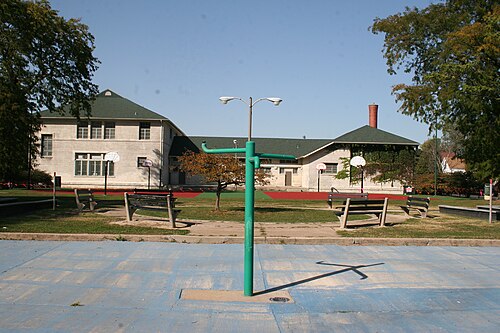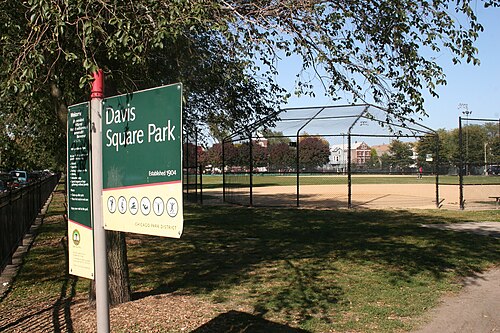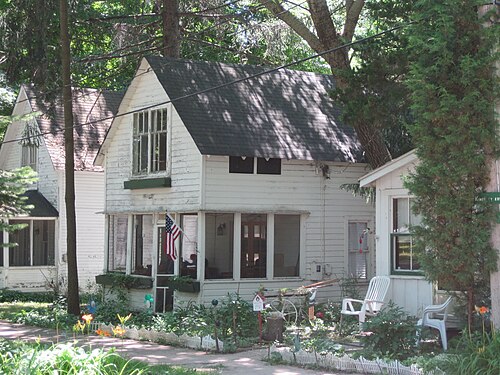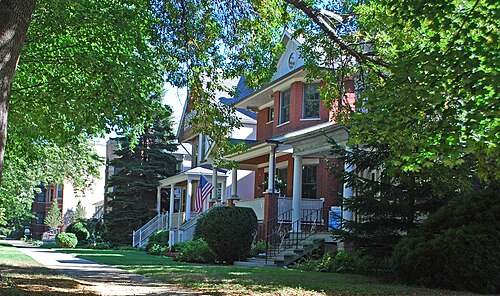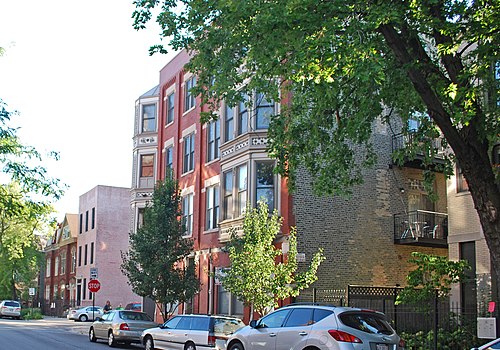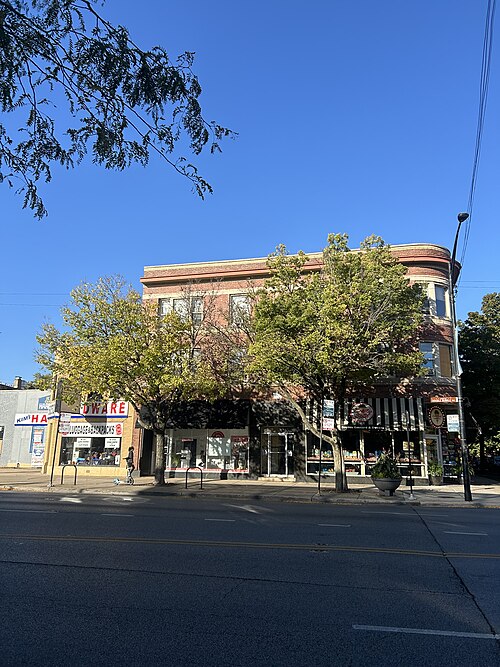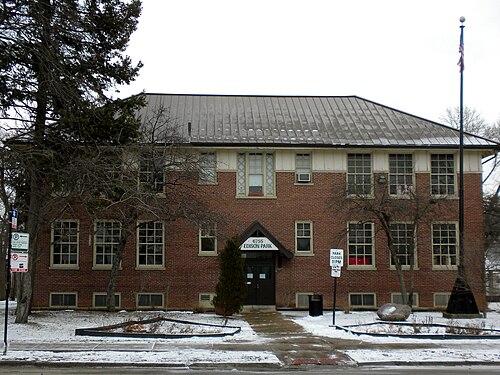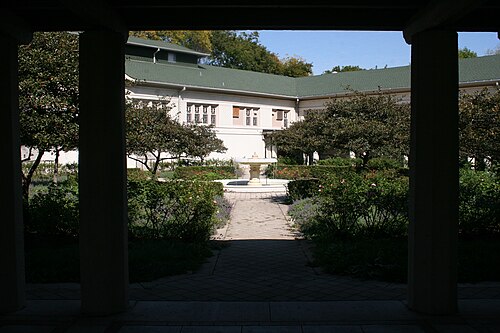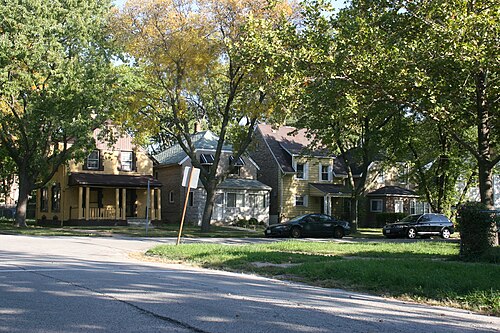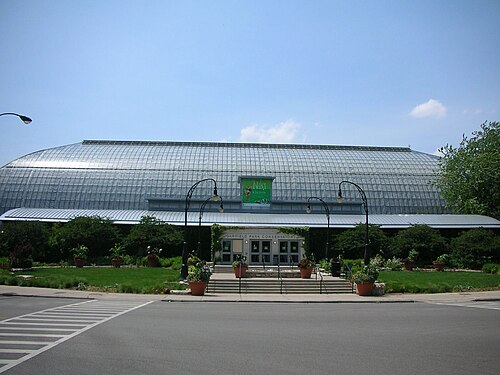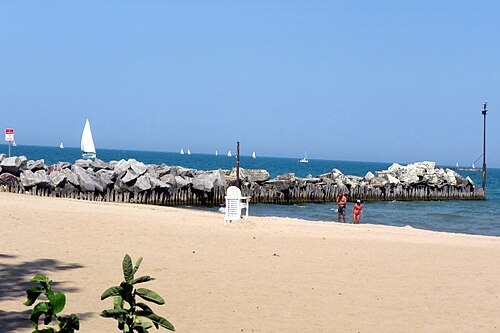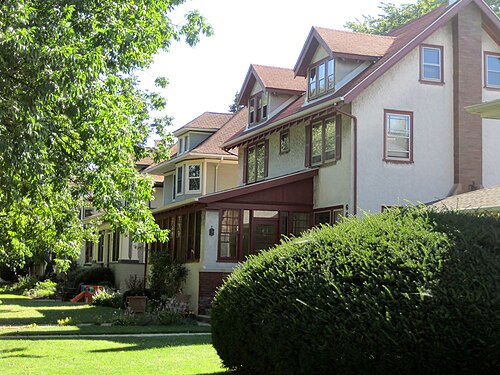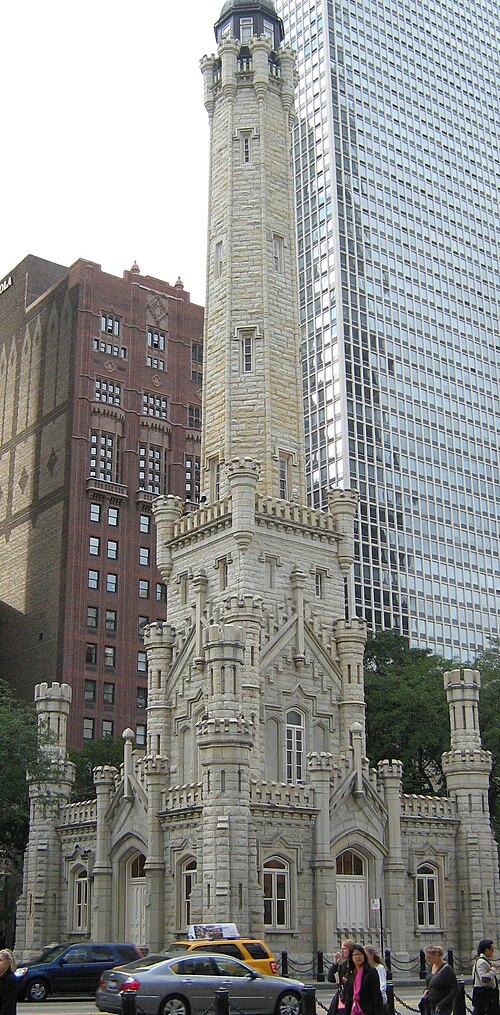
Cook County Illinois (Historic Districts) has 50 places on the National Register of Historic Places including 15 places of National significance and 1 place of Statewide significance. Significant places include Alta Vista Terrace Historic District, Altgeld Gardens?Philip Murray Homes Historic District, Armour Square, Bohemian National Cemetery and Columbus Park.
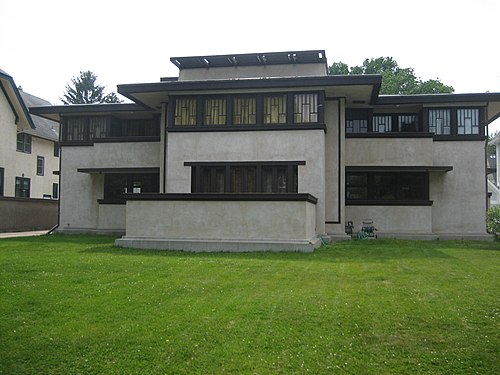
Several famous people are associated with these Cook County historic places including Frank Lloyd Wright and A. Montgomery Ward.
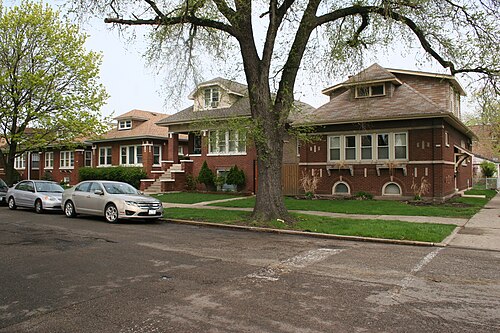
Some of the country's most noteable architects helped create the Cook County places including Olmstead Brothers, D.H. & Co. Burnham, Jens Jensen, D.H. Burnham, South Park Commission, Edward H. Bennett, William Le Baron Jenney, Frank Lloyd Wright, Jen Jensen and Chatten & Hammond. Prominent architectural styles found in Cook Country are Late 19th And 20th Century Revivals, Beaux Arts and Bungalow/Craftsman.
Historic Significance:
Architecture/Engineering
Architect, builder, or engineer:
et.al., Bock, Richard
Architectural Style:
Late 19th And Early 20th Century American Movements, Chicago
Area of Significance:
Architecture, Art, Landscape Architecture
Period of Significance:
1950-1974, 1925-1949, 1900-1924, 1875-1899, 1850-1874
Historic Function:
Funerary
Historic Sub-function:
Cemetery, Mortuary
Current Function:
Funerary
Current Sub-function:
Cemetery, Mortuary
It is not just a graveyard. When Thomas Bryan founded Graceland in 1860, he wanted to escape the cramped, muddy churchyards of a rapidly growing Chicago. He hired H.W.S. Cleveland, and later O.C. Simonds, who basically pioneered the "prairie spirit" style of green space design right here. They banned fences. They planted native oaks, sculpted gentle hills, and dug winding lagoons to make the space look entirely natural, though workers shaped every single inch of it. It became the resting place of Chicago's dead elite. Walk through the gates today and you will trip over the giants of American history.
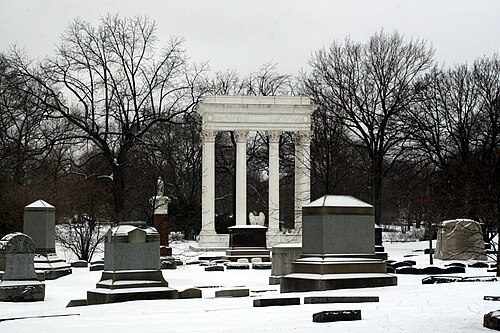
Louis Sullivan designed the Getty Tomb here. It is a masterpiece of limestone and bronze, covered in his signature intricate, leafy carvings. But the real drama lies in how these people lived-and how they wanted to be remembered. Take industrialist George Pullman. His workers hated him so much that his family buried his coffin under several tons of concrete and steel railway ties, terrified that angry labor unionists would dig him up. Right nearby lies Potter Palmer, the hotel magnate, alongside his wife Bertha, inside a massive Greek temple that looks big enough to house a living family. Lorado Taft's eerie bronze statue, "Eternal Silence," stares out from a dark pine grove. It creeps people out. Ultimately, Graceland got its spot on the National Register because it reflects the raw power, money, and artistic ambition of nineteenth-century Chicago.