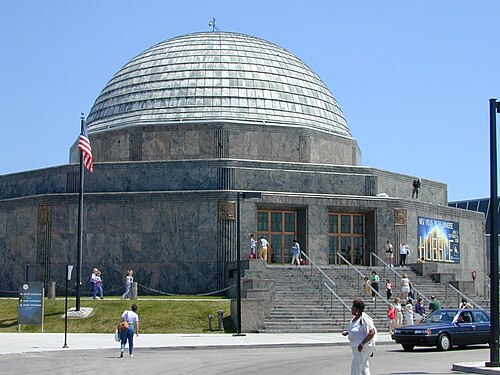
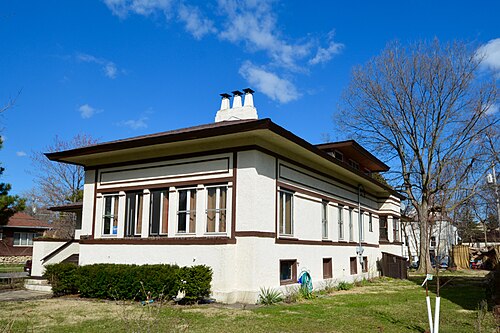
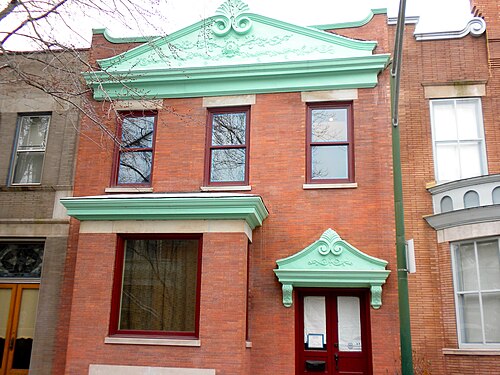
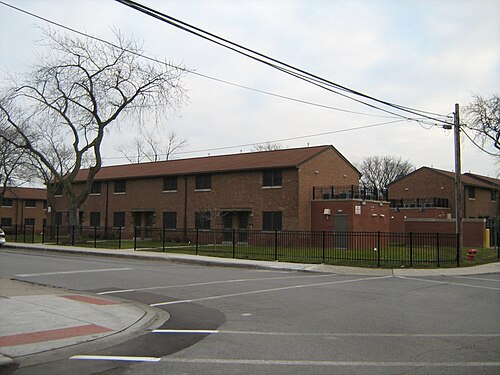
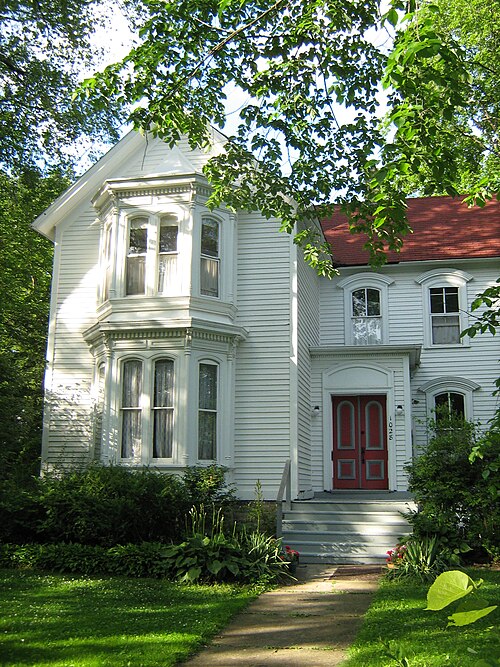
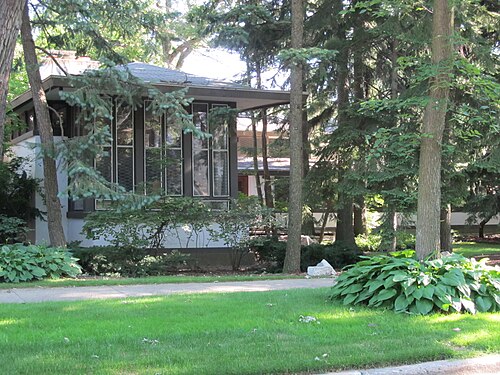
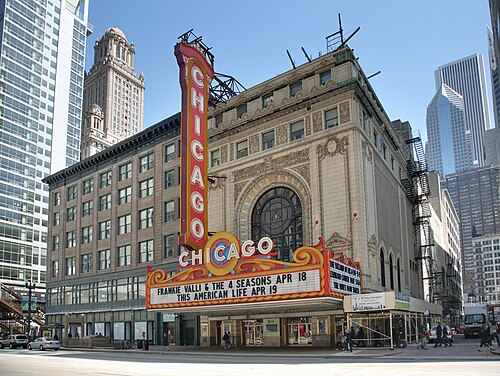
Cook County Illinois has 50 places on the National Register of Historic Places including 11 places of National significance and 6 places of Statewide significance. Significant places include AVR 661, Abbott, Robert S., House, Adler Planetarium, Alta Vista Terrace Historic District and Altgeld Gardens?Philip Murray Homes Historic District.
The famous person Robert S. Abbott is associated with one of more of the Cook County historic places.
Some of the country's most noteable architects helped create the Cook County places including Frank Lloyd Wright, Ernest Grunsfeld Jr., C.E. Rapp, Dankmar Adler, D.H. & Company Burnham, Olmstead Brothers, George Rapp, Louis Sullivan, Danely & Smith Royer and Robert C. Ostergren. Prominent architectural styles found in Cook Country are Classical Revival, Prairie School and Art Deco.
Historic Significance:
Event
Area of Significance:
Communications, Invention
Period of Significance:
1950-1974, 1925-1949, 1900-1924
Historic Function:
Industry/Processing/Extraction
Historic Sub-function:
Communications Facility
Current Function:
Industry/Processing/Extraction, Work In Progress
Current Sub-function:
Manufacturing Facility
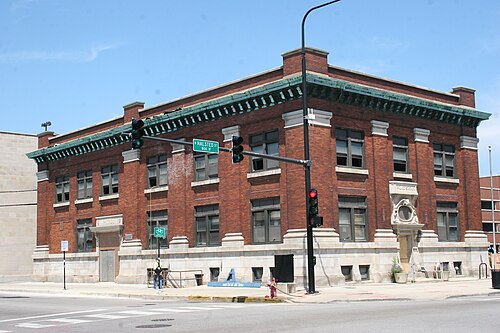
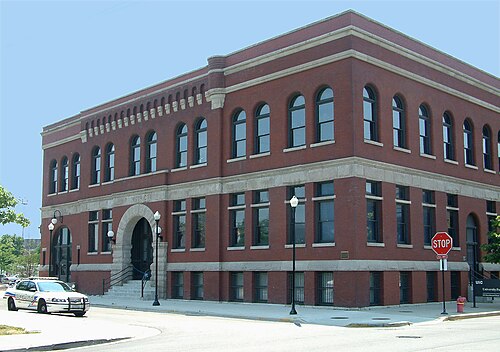
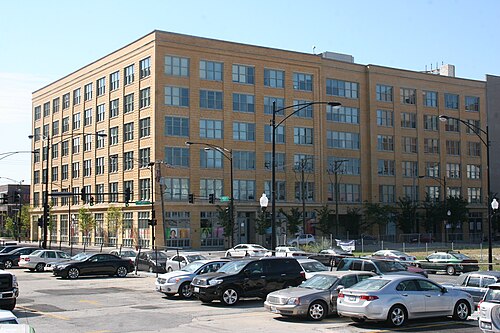
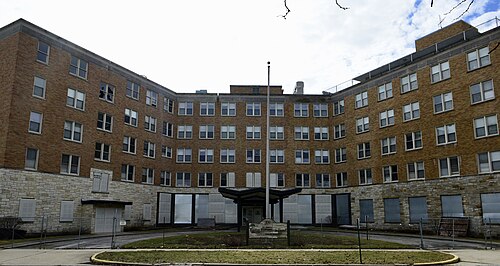
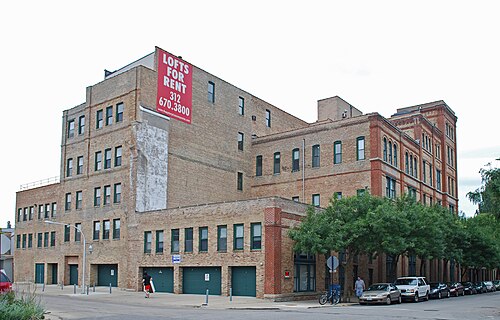
He was furious. Strowger, an eccentric Kansas City undertaker, convinced himself that a local telephone operator was stealing his business by routing funeral calls to her own husband. So, he bypassed her entirely by inventing the automatic telephone exchange. The brick behemoth at 1001 West Van Buren Street in Chicago became the powerhouse that manufactured this world-changing tech. It changed everything. Built in phases starting in 1901, the Automatic Electric Company Building housed the mass production of these Strowger switches and rotary dial phones. Before this, operators manually plugged cords into switchboards to connect every single call. Inside these walls, engineers perfected the step-by-step switch mechanisms that made human operators obsolete for local calls. They shipped these machines globally. The Chicago factory floor buzzed with thousands of workers assembling gears, magnets, and copper wires.
Today, the structure houses luxury loft apartments rather than grease-stained machinery. But the rugged brick exterior remains. We are talking heavy timber framing, massive brick piers, and huge windows that once let in maximum daylight for the assembly lines. Zimmerman designed the earliest sections. The feds put it on the National Register back in 2002. It stands as a physical reminder of the era when Chicago did not just build things, but literally wired the modern world. No operators required.