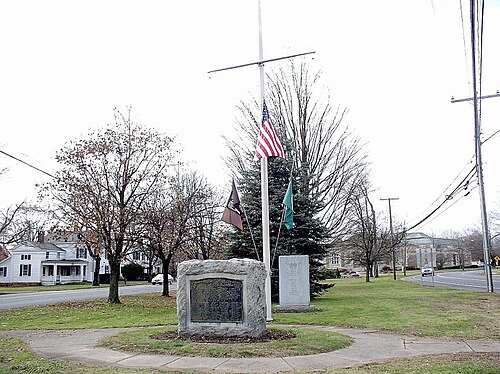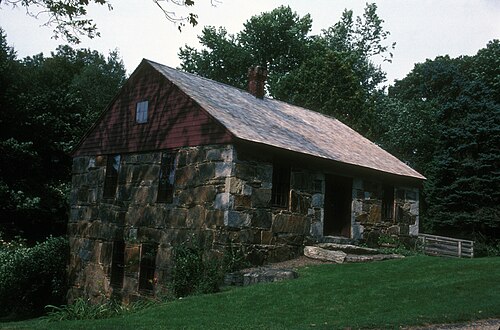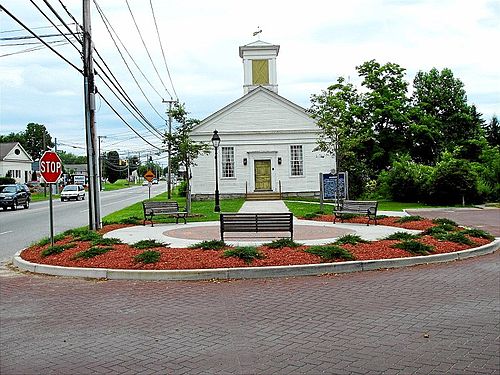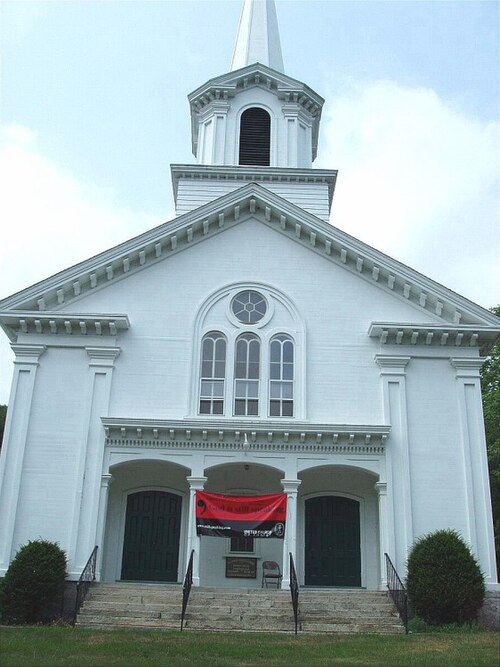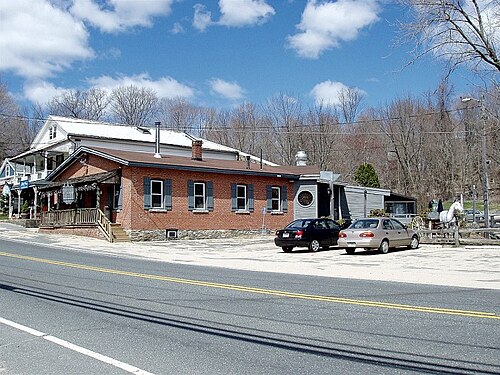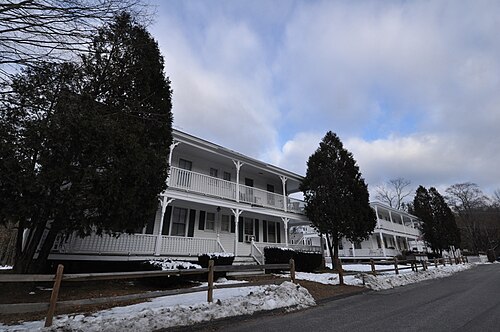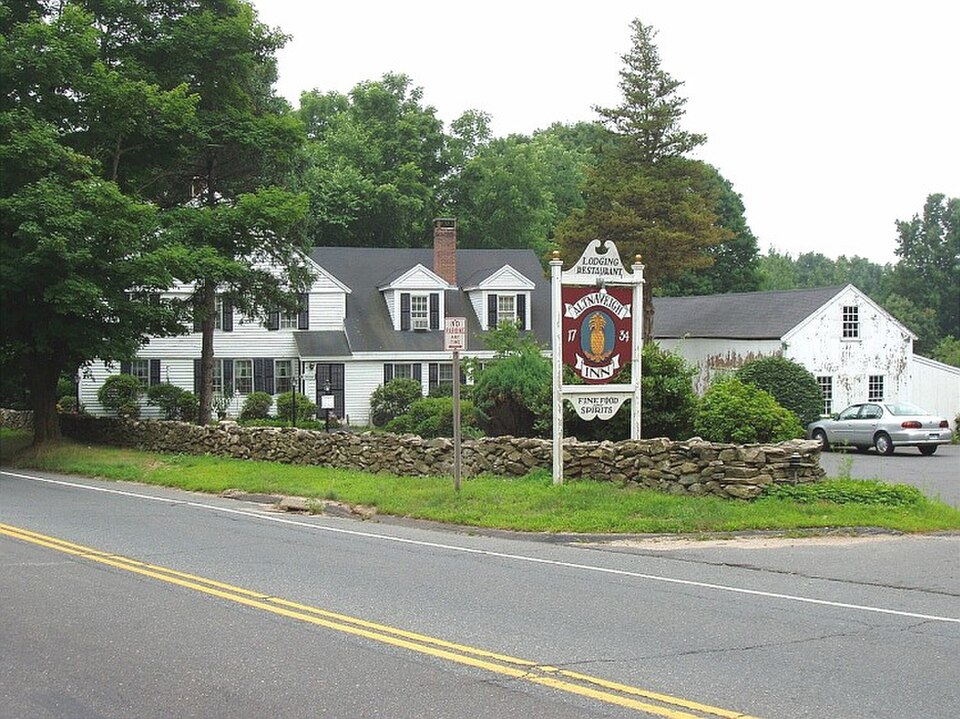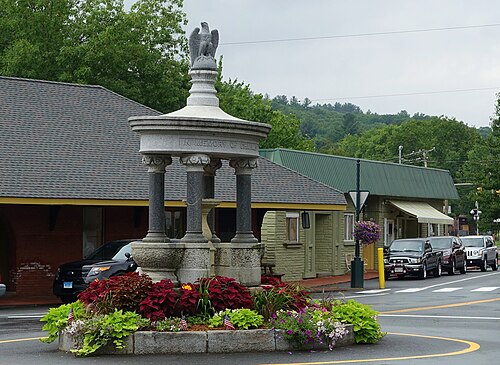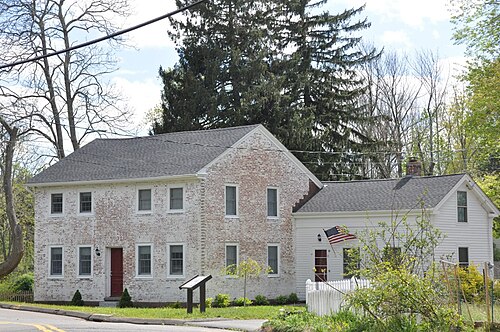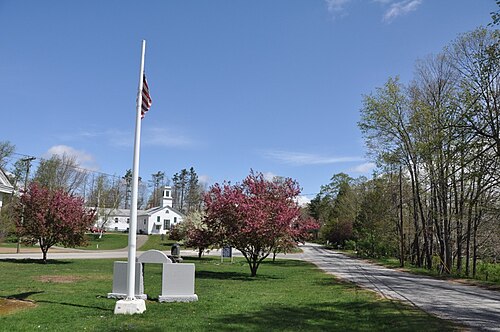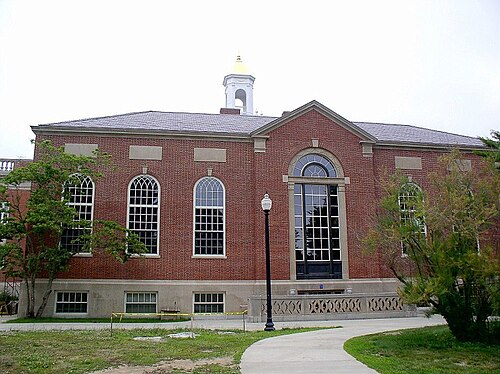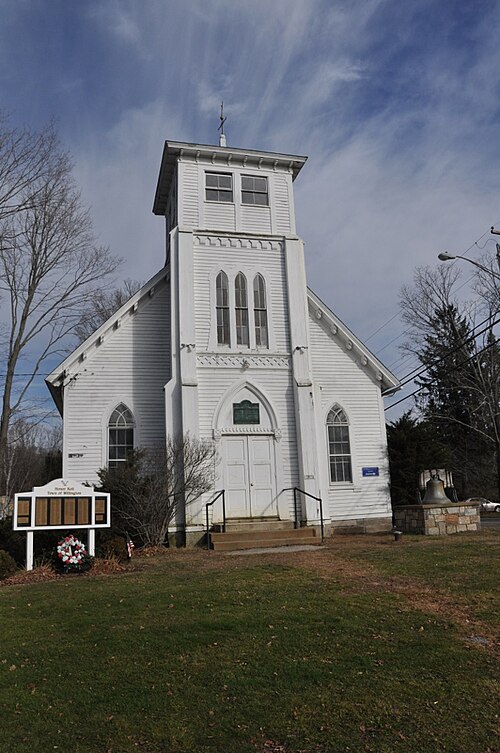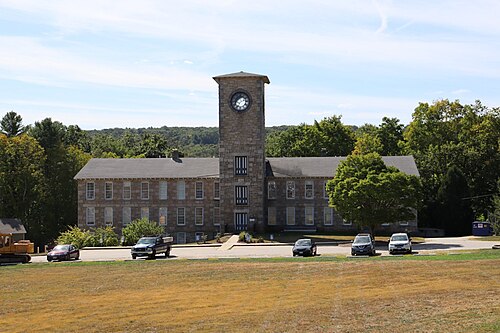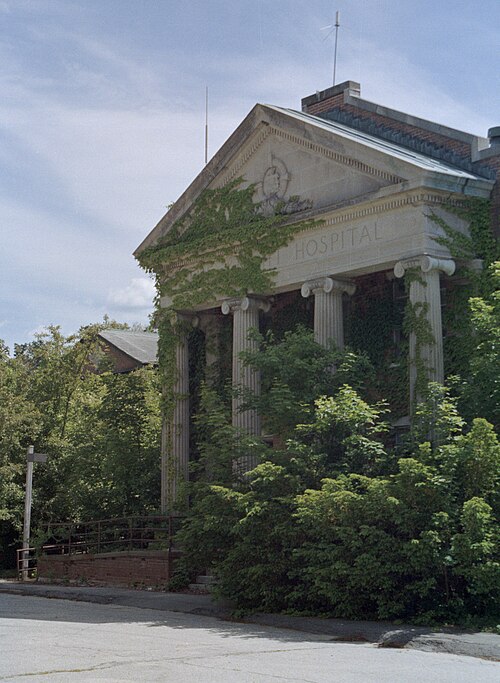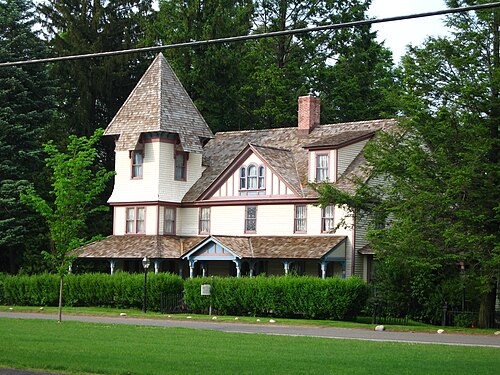
Tolland County Connecticut (Historic Districts) has 26 places on the National Register of Historic Places including 2 places of National significance and 17 places of Statewide significance. Significant places include March Route Rochambeau's Army--Hutchinson Road, March Route of Rochambeau's Army: Bailey Road, Bolton Green Historic District, Columbia Green Historic District and Coventry Glass Factory Historic District.
Several famous people are associated with these Tolland County historic places including John Warburton and Ephraim Gurley.
Some of the country's most noteable architects helped create the Tolland County places including Edwin Fitch, Malcom Robinson Knox, Albert Sharp, Charles N. Lowrie, Nathaniel O. Kellogg, Wilton E. Little, Charles A. et al Platt, Cudworth,Woodworth,& Thompson, Nelson Chaffee and Merrick Marcy. Prominent architectural styles found in Tolland Country are Greek Revival, Federal and Colonial.
Historic Significance:
Event
Area of Significance:
Military
Period of Significance:
1750-1799
Historic Function:
Transportation
Historic Sub-function:
Road-Related
Current Function:
Transportation
Current Sub-function:
Road-Related
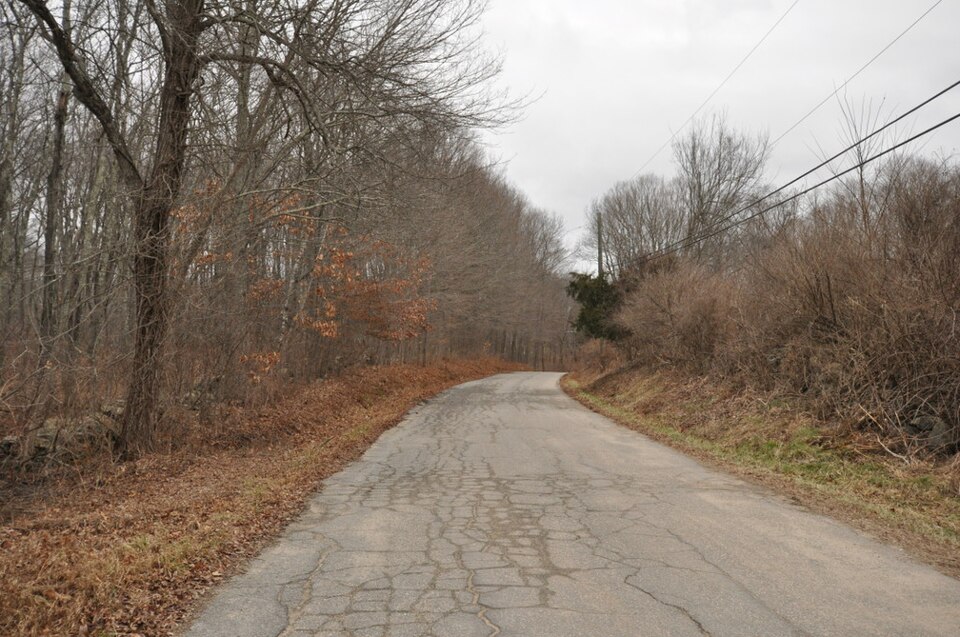
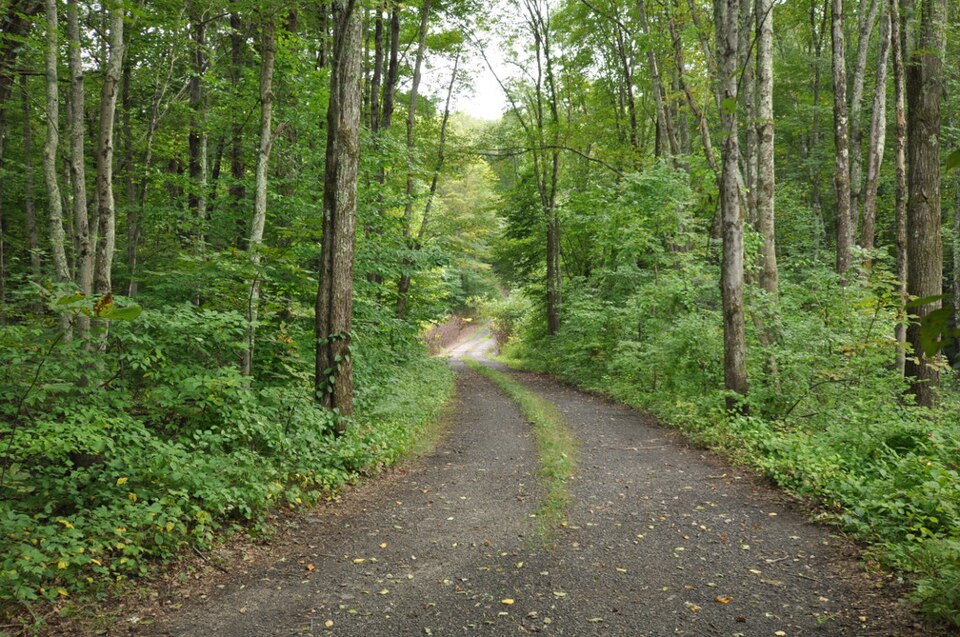
In June 1781, nearly five thousand French soldiers tramped down a dusty Connecticut cart path. They wore thick wool. The summer humidity was brutal. General Rochambeau led this massive column, hauling heavy brass artillery and baggage wagons pulled by hundreds of straining oxen, all the way to Yorktown. Today, Hutchinson Road in Andover preserves a rare, unaltered quarter-mile stretch of this exact route. It remains unpaved. Dry-laid stone walls still line the narrow dirt lane, looking much like they did when French boots marched past them. Actually, the road serves as a physical imprint of a desperate military gamble.
The French forces camped nearby. Specifically, Camp 5 sat just over the hill. These soldiers were not just marching they were living, trading with local farmers, and occasionally losing brass buttons that modern researchers still dig up. Most of Rochambeau's route across Connecticut disappeared under asphalt decades ago. But this section survived. Why Town boundaries and bypassed routes kept developers away. Now, this quiet corridor offers a direct link to the international alliance that defeated Cornwallis. It is just dirt and stone, but history feels heavy here.