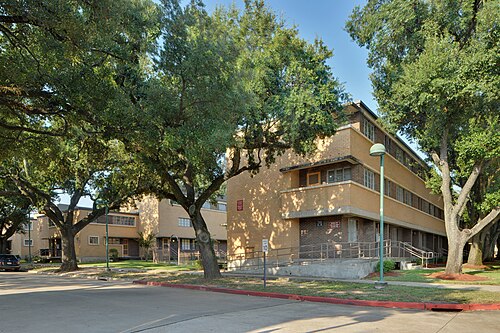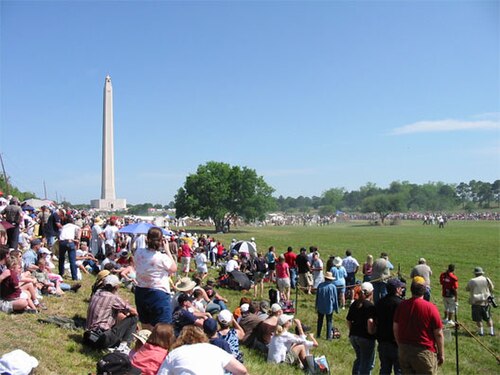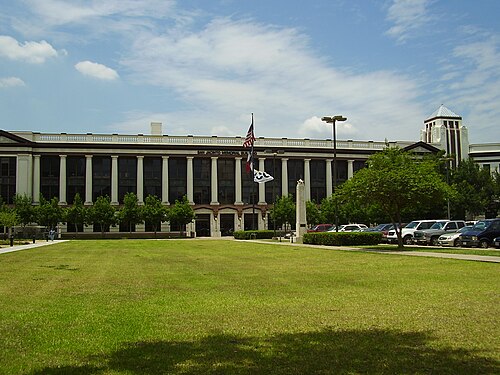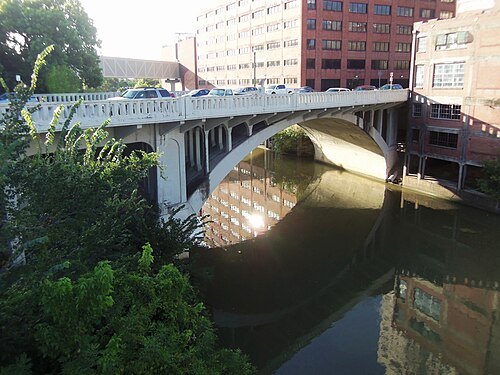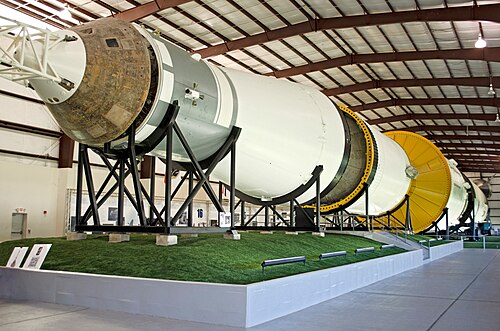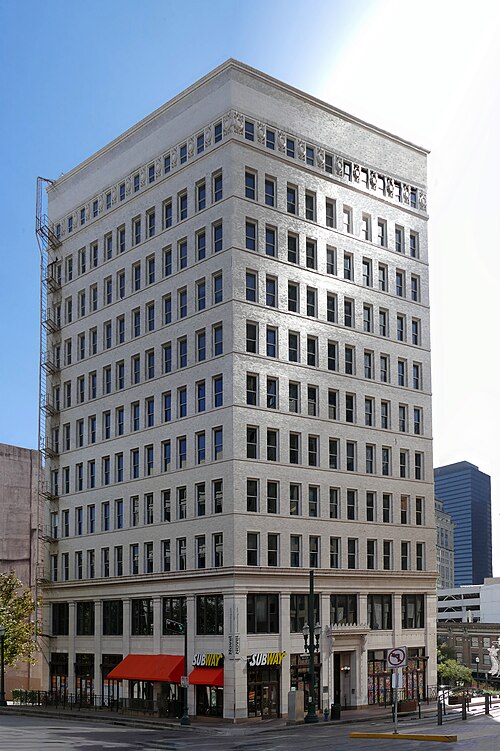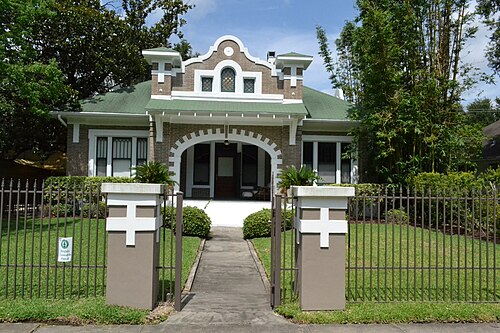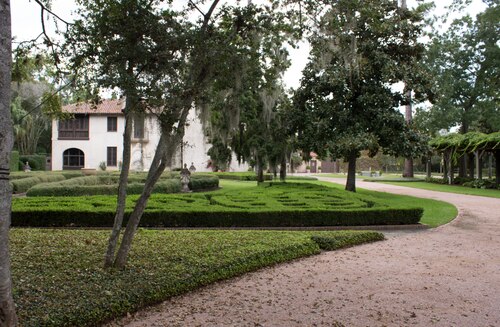
Harris County Texas (Page 6) has 50 places on the National Register of Historic Places including 6 places of National significance and 9 places of Statewide significance. Significant places include Rothko Chapel, San Felipe Courts Historic District, San Jacinto Battlefield, Saturn V Launch Vehicle and Space Environment Simulation Laboratory.
Many famous people are associated with these Harris County historic places including John de Menil, Dominique de Menil, Ross S. Sterling, Thomas Howe Scanlan, Joseph R. Stevenson and Judson Taylor.
Some of the country's most noteable architects helped create the Harris County places including Boeing Aircraft, Mark Rothko, MacKie & Kamrath, Johnson, Philip, et al., NASA, Newport News Shipbuilding Co., J.G. McKenzie, Finn,Alfred,C., Anderson Todd and B.P. & Co. Panas. Prominent architectural styles found in Harris Country are Classical Revival, Mission/Spanish Revival and Bungalow/Craftsman.
Historic Significance:
Person, Architecture/Engineering
Architect, builder, or engineer:
Rothko, Mark, Johnson, Philip, et al.
Architectural Style:
Other, Modern Movement
Historic Person:
de Menil, John, de Menil, Dominique
Area of Significance:
Social History, Architecture, Art
Period of Significance:
1950-1974
Historic Function:
Other, Recreation And Culture
Historic Sub-function:
Monument/Marker, Museum, Work Of Art (Sculpture, Carving, Rock Art)
Current Function:
Other, Recreation And Culture
Current Sub-function:
Monument/Marker, Museum, Work Of Art (Sculpture, Carving, Rock Art)
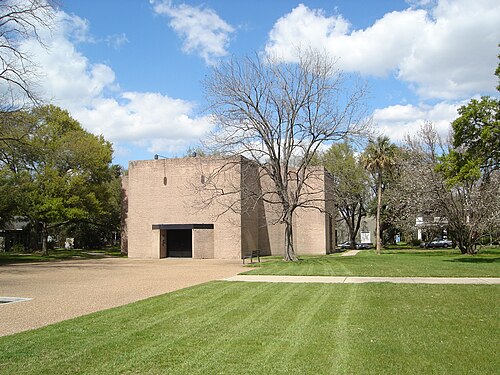
John and Dominique de Menil wanted a space that bridged modern art and raw spirituality. They hired Mark Rothko in 1964. For years, the artist labored in his New York studio, painting fourteen massive, dark panels using layers of plum, maroon, and black wash. He never saw them installed. He died by suicide in February 1970, a year before the Houston dedication. The building is a brick octagon. Philip Johnson designed the original shell but walked away after a bitter fight over the skylight. Rothko wanted dim, natural light. Johnson wanted something much more dramatic, so local architects Howard Barnstone and Eugene Aubry had to step in and finish the job.
Normally, the National Register of Historic Places requires a property to be fifty years old. This place bypassed that rule entirely. When it got listed in 2000, the chapel had only been open for twenty-nine years. It belongs to a tiny group of modern sites granted that exception. Why Because it functions as a working sanctuary for human rights, interfaith dialogue, and quiet contemplation. Inside, visitors sit on simple wooden benches or meditation mats. They stare at dark canvases. Depending on the Houston clouds, the paint shifts from bruised purple to impenetrable black. In 1981, the founders established the Rothko Chapel Award for Human Rights to honor grassroots activists. It remains a heavy, quiet place.