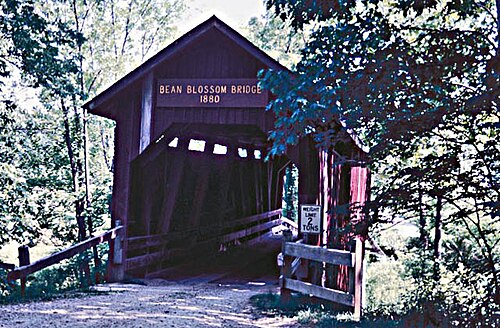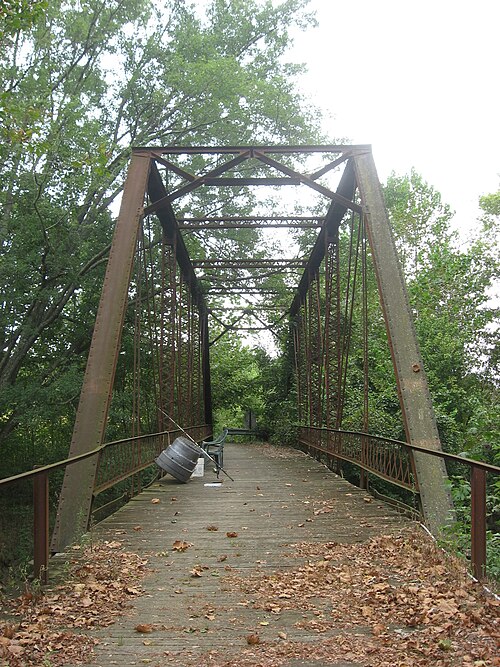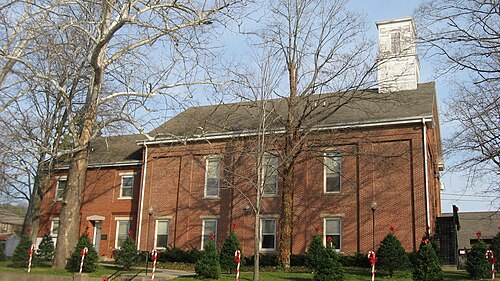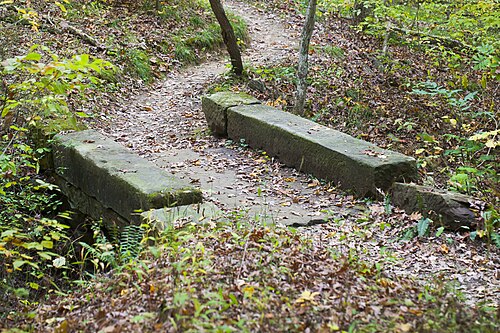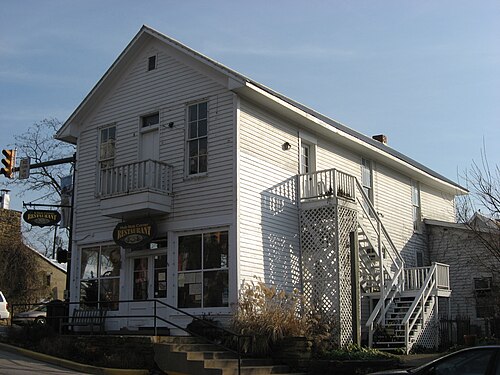
Brown County Indiana has 8 places on the National Register of Historic Places including 1 place of National significance and 2 places of Statewide significance. Significant places include Steele, Theodore Clement, House and Studio, Axsom Branch Archeological Site (12BR12) and Refuge No. 7 Archeological Site (12BR11), Brown County Bridge No. 36 and Brown County Courthouse Historic District.
Prehistoric cultural affiliation(s) include Late Archaic dating back to 2999 BC.
The famous person Theodore C. Steele is associated with one of more of the Brown County historic places.
Some of the country's most noteable architects helped create the Brown County places including T.C. Steele, Thomas A. Hendricks, Henry Cross and Pan-American Bridge Company. Prominent architectural styles found in Brown Country are Greek Revival.
Historic Significance:
Person
Historic Person:
Steele,Theodore C.
Area of Significance:
Art, Education
Period of Significance:
1900-1924
Historic Function:
Commerce/Trade, Domestic
Historic Sub-function:
Professional, Single Dwelling
Current Function:
Education, Recreation And Culture
Current Sub-function:
Museum
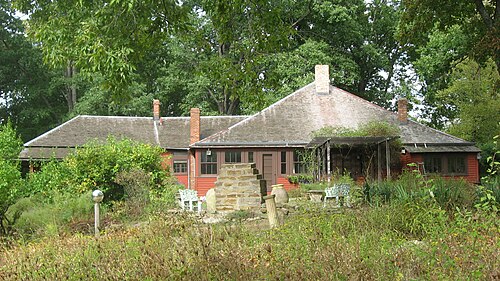
The Theodore Clement Steele House and Studio, affectionately known as "The House of the Singing Winds," is historically significant as the home, studio, and sanctuary of T.C. Steele, one of Indiana's most celebrated Impressionist painters and a leading member of the famed "Hoosier Group." Established in 1907 near Belmont in the scenic hills of Brown County, the estate features a rustic, Arts and Crafts-style residence and a large, skylit studio designed to blend seamlessly with the rugged, natural environment. Steele, alongside his wife Selma Neubacher Steele, meticulously developed the property with extensive ornamental gardens and preserved the surrounding forest, creating a living landscape that served as both a sanctuary and the direct inspiration for his acclaimed late-career plein air paintings.
Beyond its association with Steele's personal artistic achievements, the property is of monumental significance as the catalyst for the development of the Brown County Art Colony, one of the most influential regional art colonies in the American Midwest. Steele's presence in this remote region attracted dozens of other artists, writers, and nature lovers, transforming the isolated county into a thriving cultural enclave in the early twentieth century. Listed on the National Register of Historic Places in 1973, the site is preserved today as a state historic site, standing as a testament to the intersection of rustic vernacular architecture, environmental conservation, and the enduring legacy of American Impressionism.