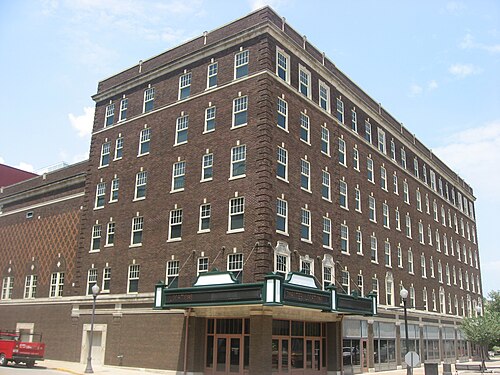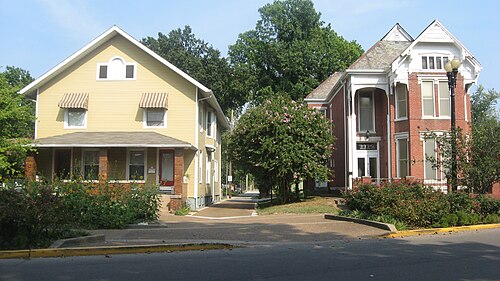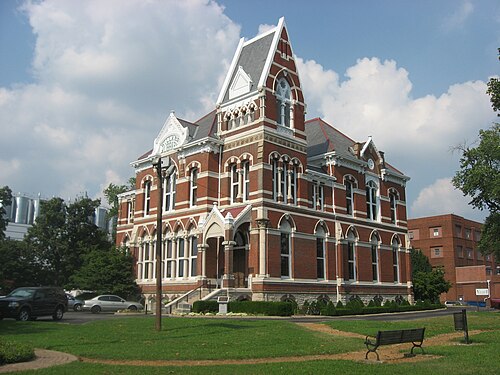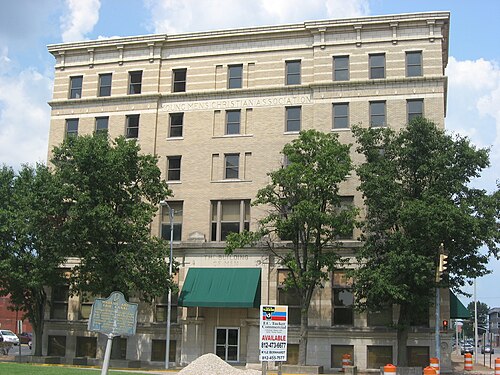
Vanderburgh County Indiana (Page 3) has 50 places on the National Register of Historic Places including 2 places of National significance and 3 places of Statewide significance. Significant places include Riverside Historic District, USS LST 325 (tank landing ship), Oak Hill Cemetery, Reitz, John Augustus, House and Willard Library.
Several famous people are associated with these Vanderburgh County historic places including Charles Sweeton and John Henry Roelker.
Some of the country's most noteable architects helped create the Vanderburgh County places including Philadelphia Naval Ship Yard, Harris & Shopbell, James W. Reid, Goodge, John S., et al, Shopbell & Company, Shopbell & Co., Edward J. Thole, Clifford & Co. Shopbell, Fritz Anderson and Harry E. Boyle. Prominent architectural styles found in Vanderburgh Country are Prairie School, Bungalow/Craftsman and Italianate.
Historic Significance:
Architecture/Engineering
Architect, builder, or engineer:
Multiple
Architectural Style:
Mixed (More Than 2 Styles From Different Periods)
Area of Significance:
Architecture
Period of Significance:
1900-1924, 1875-1899, 1850-1874
Historic Function:
Domestic
Historic Sub-function:
Single Dwelling
Current Function:
Commerce/Trade, Domestic
Current Sub-function:
Multiple Dwelling, Single Dwelling
The Riverside Historic District, situated along the Ohio River in Evansville, Indiana, is a remarkably well-preserved residential enclave that serves as a premier showcase of 19th- and early 20th-century architectural styles. Added to the National Register of Historic Places in 1978, the district features a visually stunning array of high-style residential architecture dating primarily from the 1870s through the 1915s. Walking through its tree-lined, brick-paved streets, visitors can observe outstanding examples of Federal, Italianate, Second Empire, Queen Anne, Gothic Revival, and Tudor Revival styles. The crown jewel of the district is the Reitz Home, an incredibly opulent French Second Empire mansion that remains one of the state's finest examples of the style and is open to the public as a museum.
Historically, the Riverside Historic District reflects the immense wealth and rapid economic expansion Evansville experienced during its golden age of river commerce and industrial manufacturing. Positioned close to both the downtown commercial center and the bustling riverfront, this neighborhood became the preferred address for Evansville's civic leaders, merchants, and industrialists-most notably the city's powerful lumber barons who leveraged the area's rich hardwood forests. The grandeur and diverse scale of the homes within the district directly mirror the socio-economic achievements of the citizens who shaped Evansville's growth into a major regional hub. Today, the district stands as a vital physical monument to the community's prosperous past and its dedication to historic preservation.
Historic Significance:
Architecture/Engineering, Event
Architect, builder, or engineer:
Philadelphia Naval Ship Yard
Architectural Style:
Other
Area of Significance:
Military, Engineering
Period of Significance:
1925-1949
Historic Function:
Defense
Historic Sub-function:
Naval Facility
Current Function:
Recreation And Culture, Transportation
Current Sub-function:
Museum, Water-Related
The USS LST-325 (Landing Ship, Tank) is of national historical significance as the last fully operational, unaltered World War II-era tank landing ship remaining in the United States. Launched in October 1942 at the Philadelphia Navy Yard and commissioned in February 1943, this vessel represents a revolutionary class of amphibious warfare ships designed specifically to transport and discharge battle-ready tanks, vehicles, and soldiers directly onto hostile shores without the aid of docks or piers. The LST-325 distinguished itself through extensive service in the European Theater of Operations, playing vital roles in major Allied invasions including Operation Husky in Sicily, Operation Avalanche in Salerno, and the D-Day landings at Normandy, where she made numerous runs to Omaha Beach delivering critical reinforcements and evacuating wounded soldiers.
Following her World War II service, the ship was recalled during the Cold War to participate in the construction of the Distant Early Warning (DEW) Line in the Arctic before being transferred to the Greek Navy in 1964, where she served for over three decades as the Syros. In 2000, a dedicated group of aging American military veterans successfully acquired the vessel, sailed her across the Atlantic back to the United States, and painstakingly restored her to operational status. Now permanently homeported in Evansville, Indiana-which was the nation's largest inland producer of LSTs during World War II-the USS LST-325 serves as an invaluable floating museum and a living monument to the monumental logistics, industrial production, and naval triumphs of the Allied war effort.